Article No. 34 · Local History · 19 min read
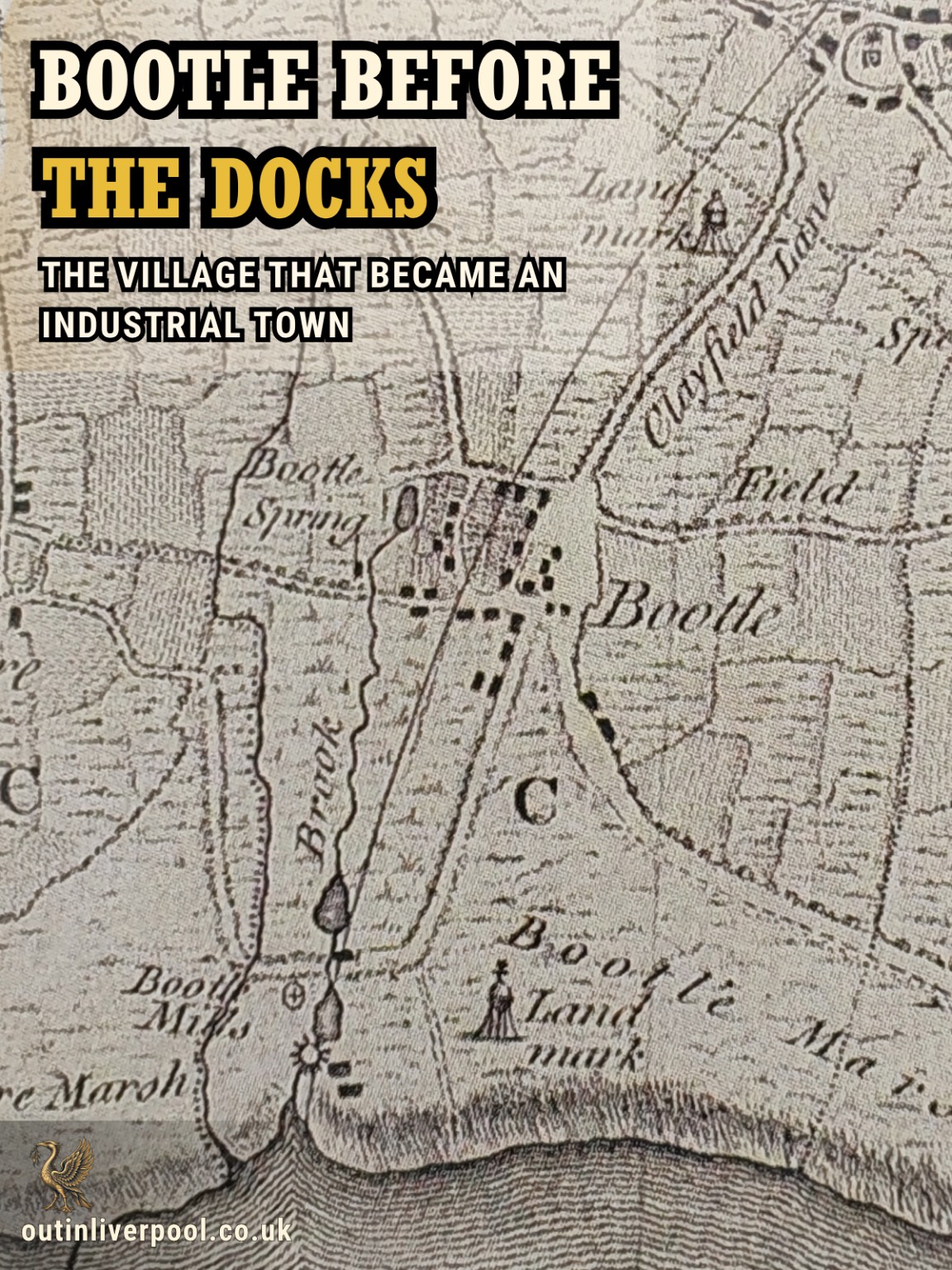
Explore Bootle before the docks, from its Domesday origins and medieval mills to freshwater springs, seaside bathing and the rise of an industrial town.
Article No. 33 · People & Communities · 12 min read
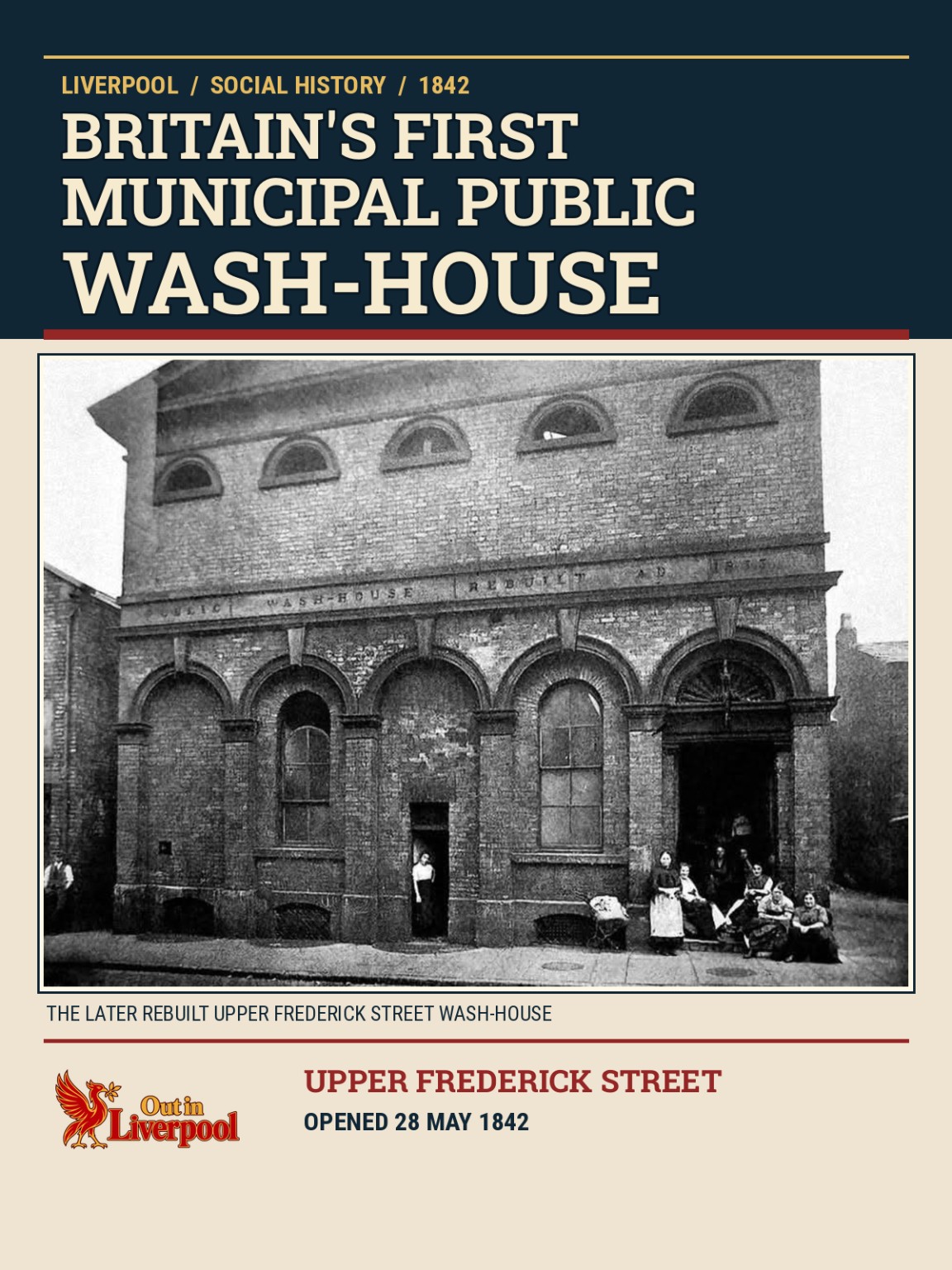
Discover how Liverpool opened Britain's first municipal public wash-house in 1842, the truth about Kitty Wilkinson and its lasting public-health legacy.
Article No. 32 · Business & Industry · 9 min read
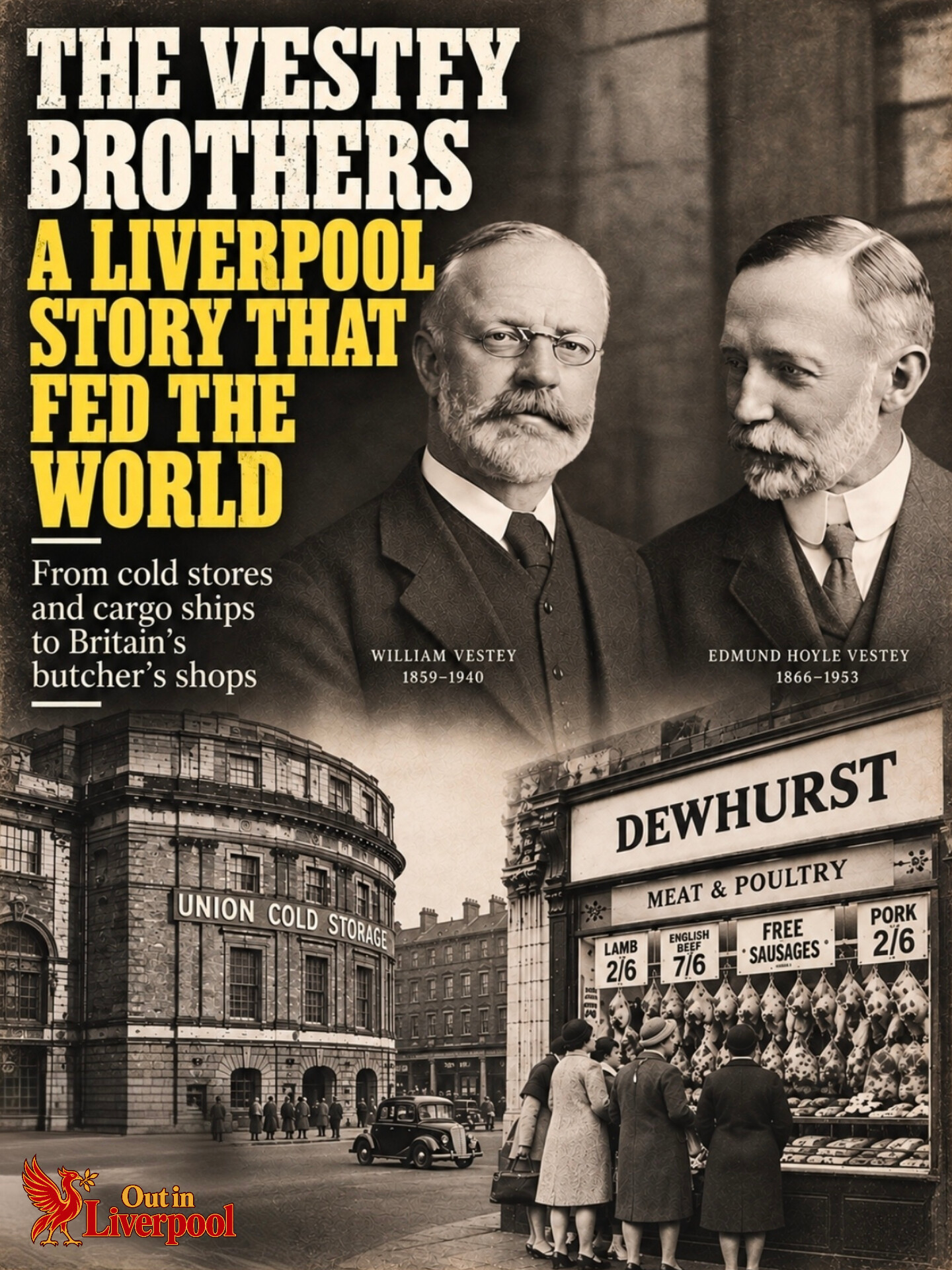
From a Liverpool provisions business and an 1890 cold store to Dewhurst, Blue Star Line and a global food empire - the remarkable, complicated story of William and Edmund Vestey.
Article No. 31 · Streets & Buildings · 6 min read
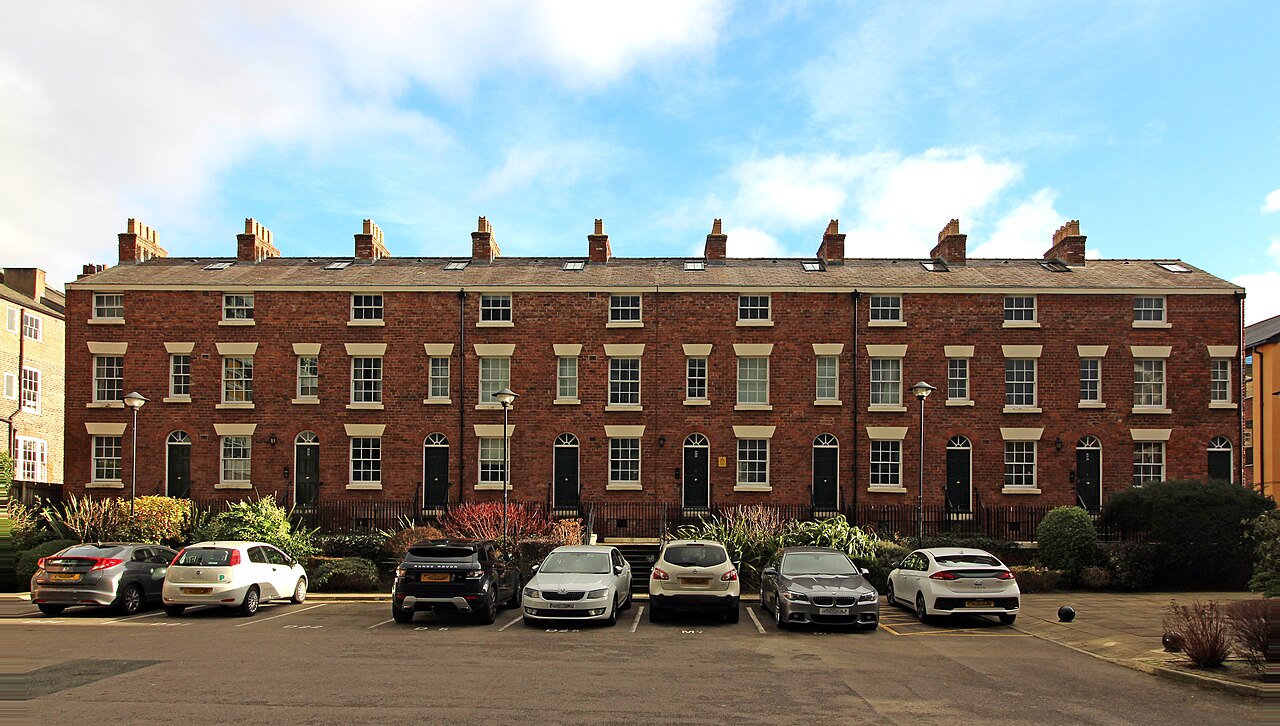
Built as eighteen homes in 1843 and restored as apartments in 2003, Duke’s Terrace is a rare survivor of Liverpool’s back-to-back housing.
Article No. 30 · Pubs & Hospitality · 12 min read
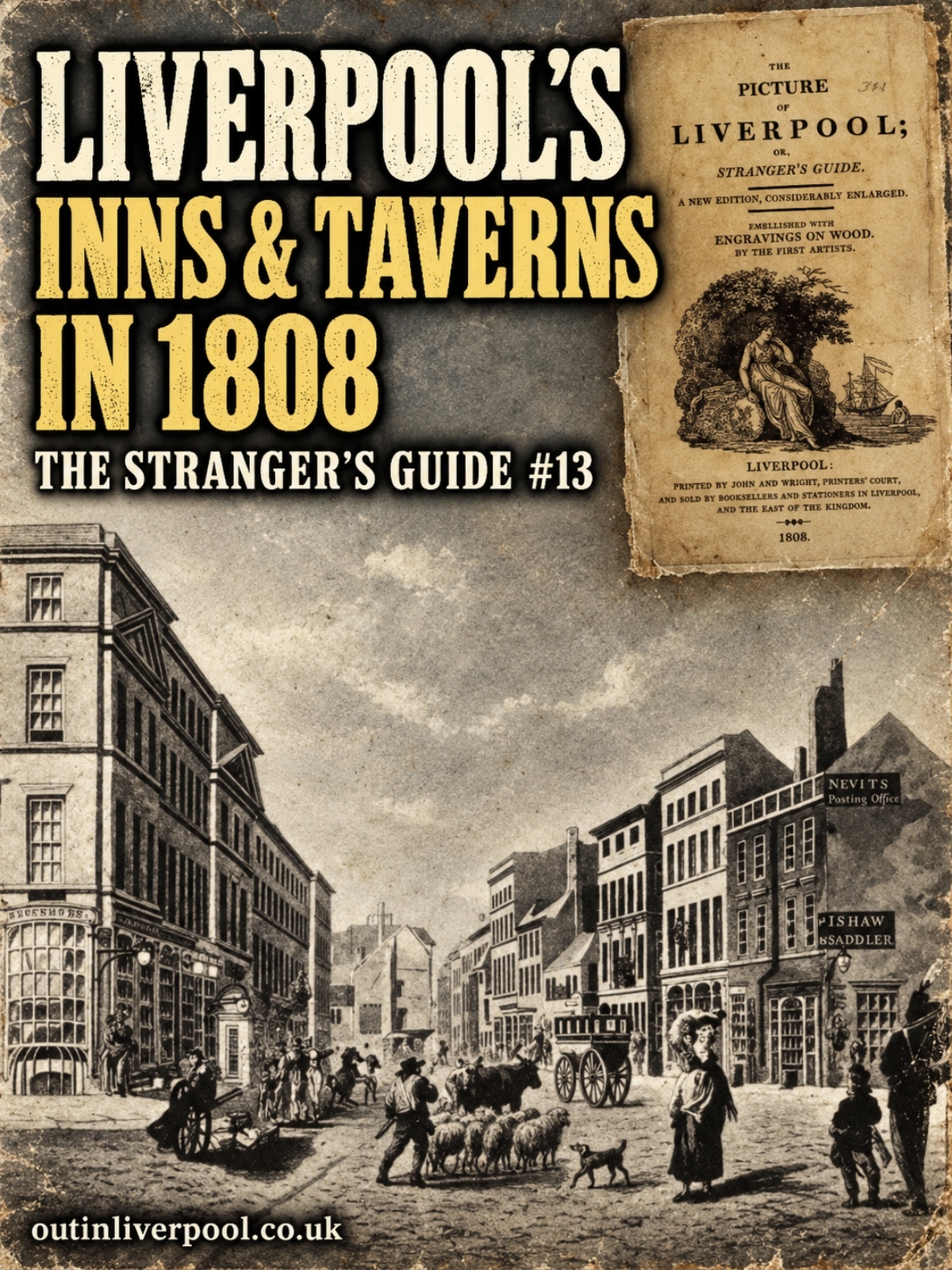
Before Liverpool had railway stations, its inns were hotels, dining rooms, meeting places and transport hubs. The 1808 Stranger’s Guide reveals where visitors stayed — and where the coaches left.
Article No. 29 · Culture & Everyday Life · 9 min read
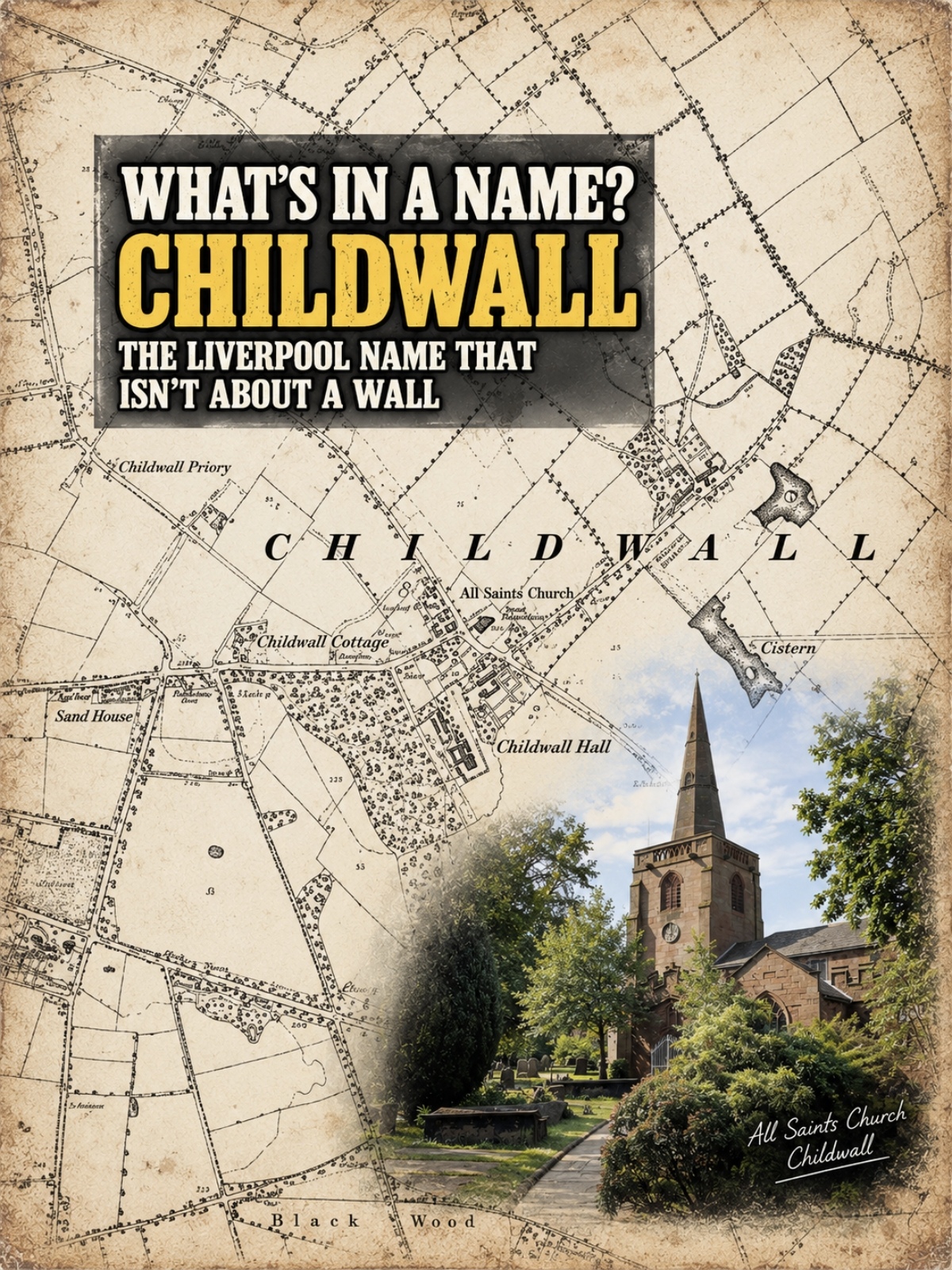
Childwall appears in Domesday as Cildeuuelle. The old spellings point not to a wall, but to an Old English well, spring or brook — with the first part of the name still debated.
Article No. 28 · Culture & Everyday Life · 13 min read
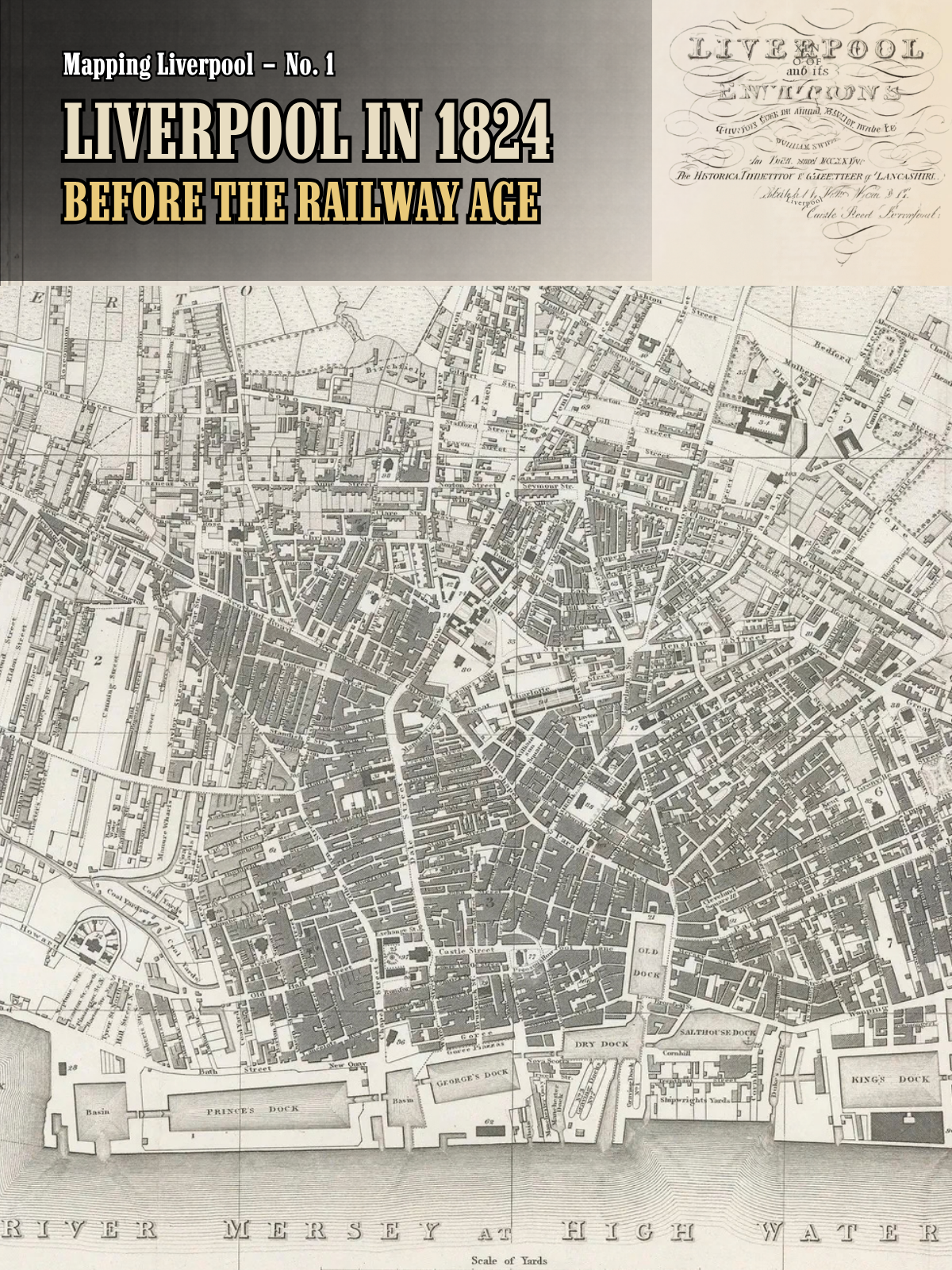
William Swire’s 1824 survey catches Liverpool at a hinge point: the Old Dock still open, Prince’s Dock newly built, Everton still separate, fields at the edge and the railway age six years away.
Article No. 27 · Maritime & Docks · 14 min read
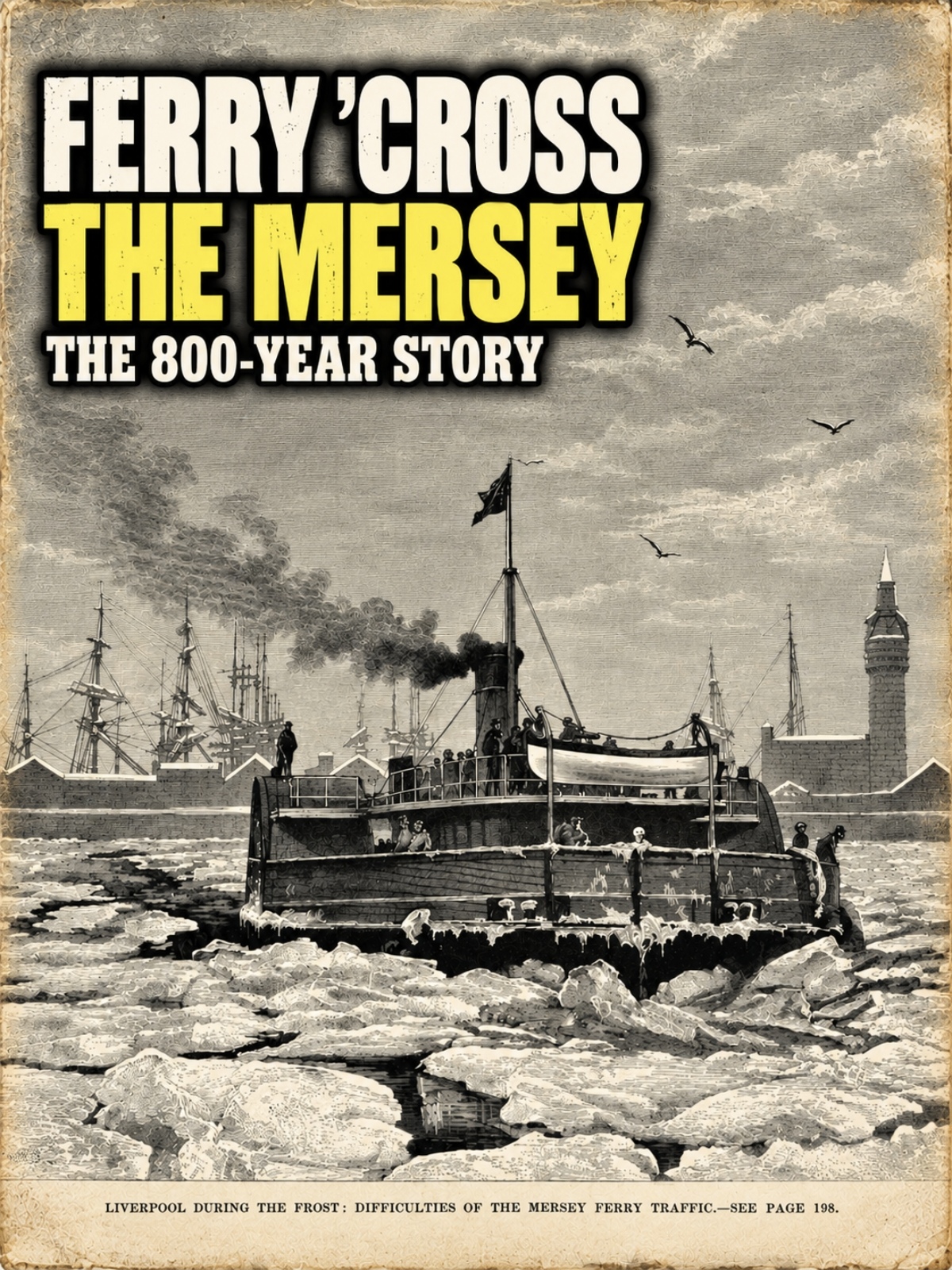
From Birkenhead Priory and medieval ferry rights to steam, Zeebrugge, Merseybeat and the new Royal Daffodil: more than eight centuries of crossing the Mersey.
Article No. 26 · Culture & Everyday Life · 11 min read
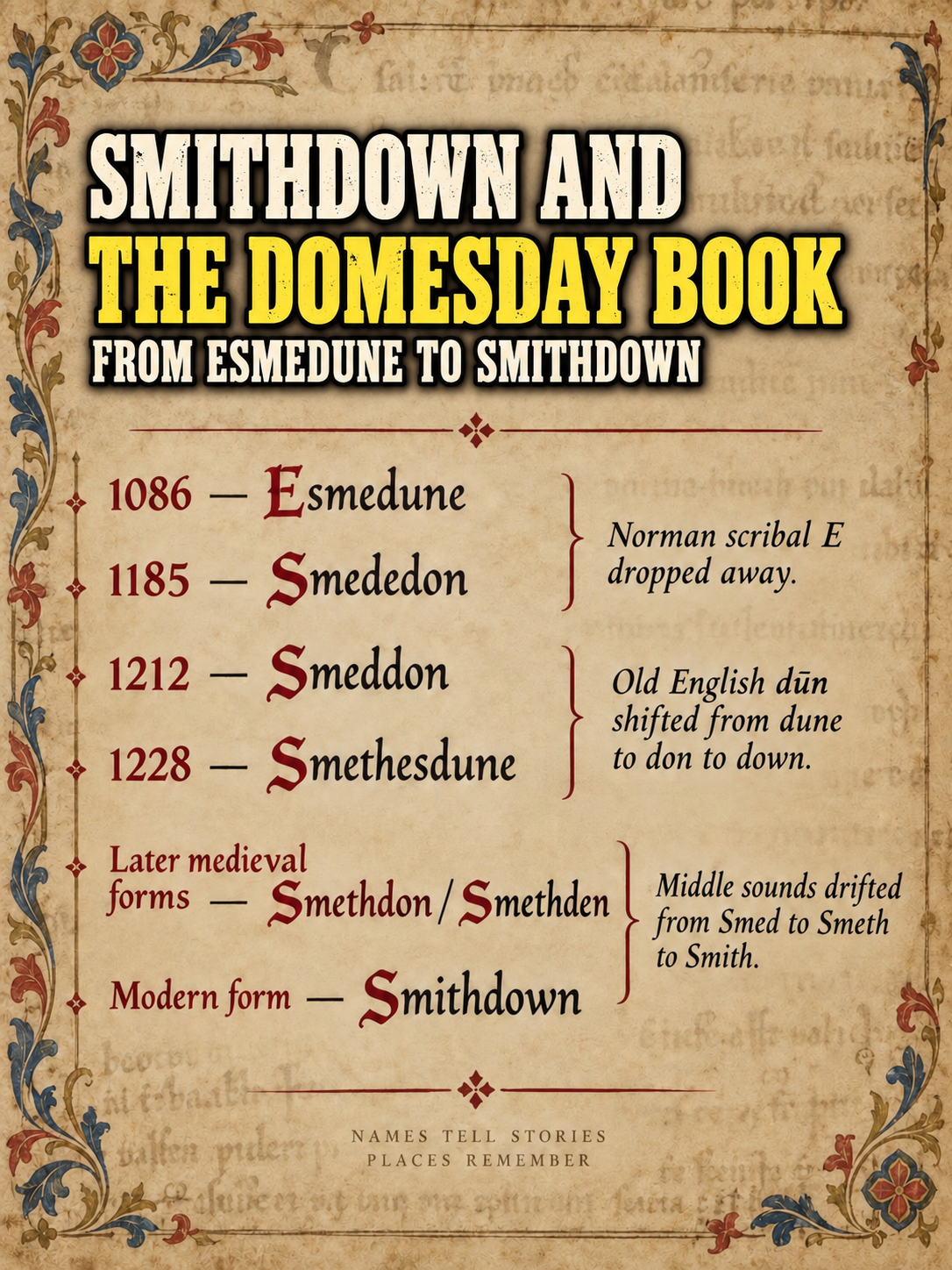
How Domesday’s Esmedune became Smithdown: the Norman spelling, Old English meaning, medieval forms, lost manor and modern Liverpool road.
Article No. 25 · Culture & Everyday Life · 12 min read
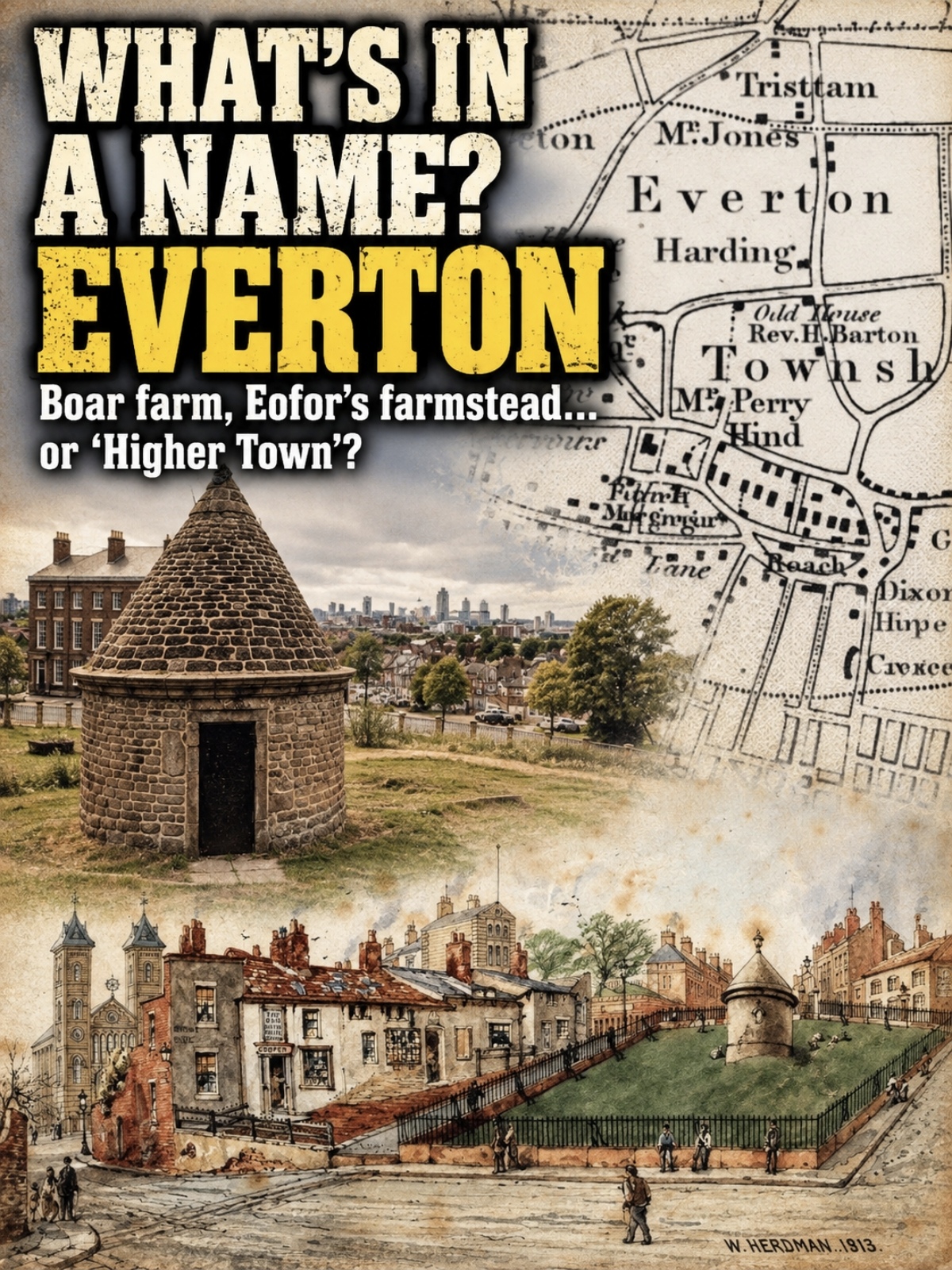
Boar farm, Eofor’s farmstead or Higher Town? The evidence behind one of Liverpool’s oldest and most famous place names.
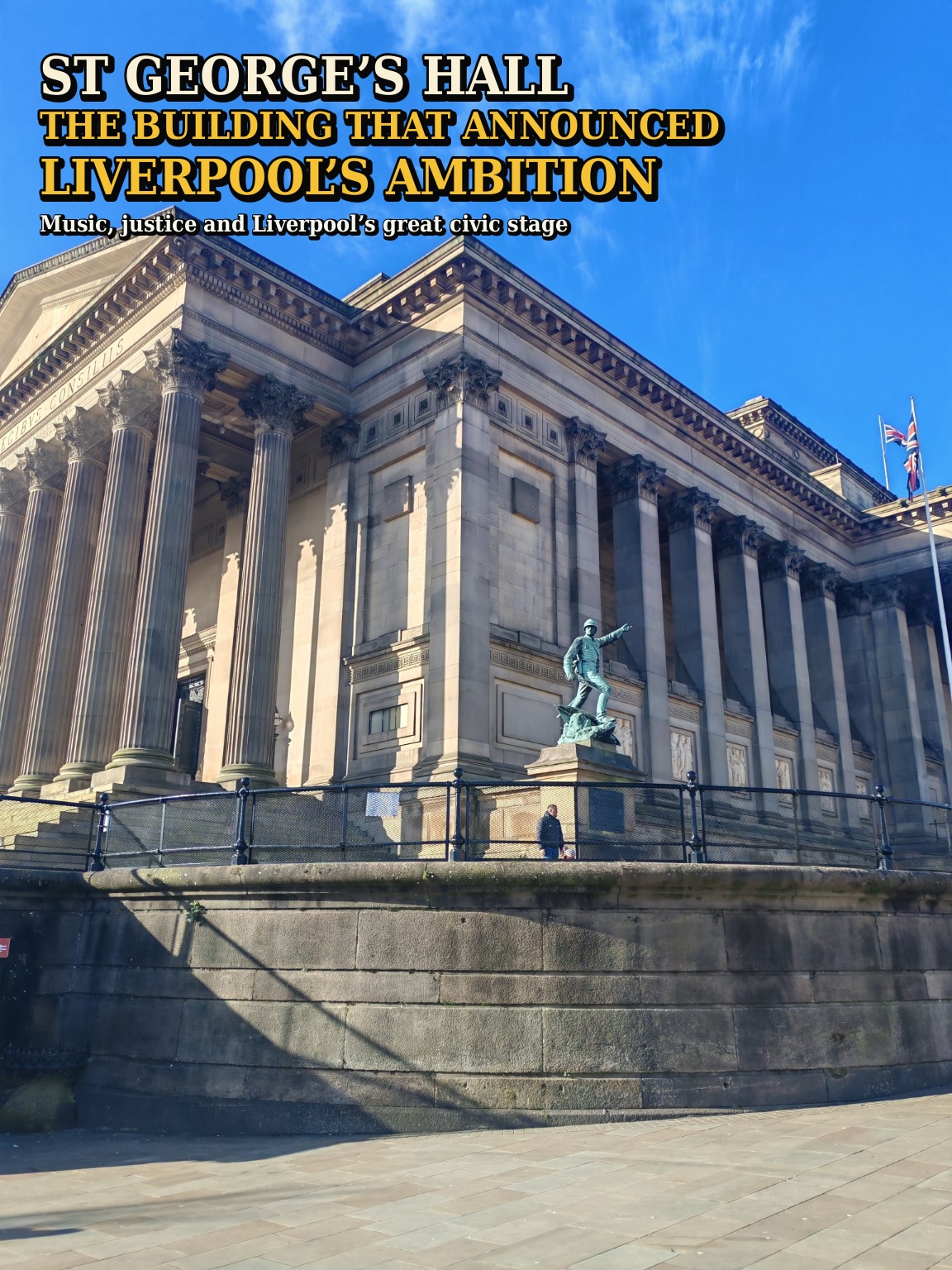
Article No. 24 · Streets & Buildings · 18 min read
Why Liverpool built St George’s Hall — from the 1836 citizen-led concert hall campaign and Assize Courts to Corporation funding, prisoners, the Willis organ, Minton floor and Victorian civic ambition.
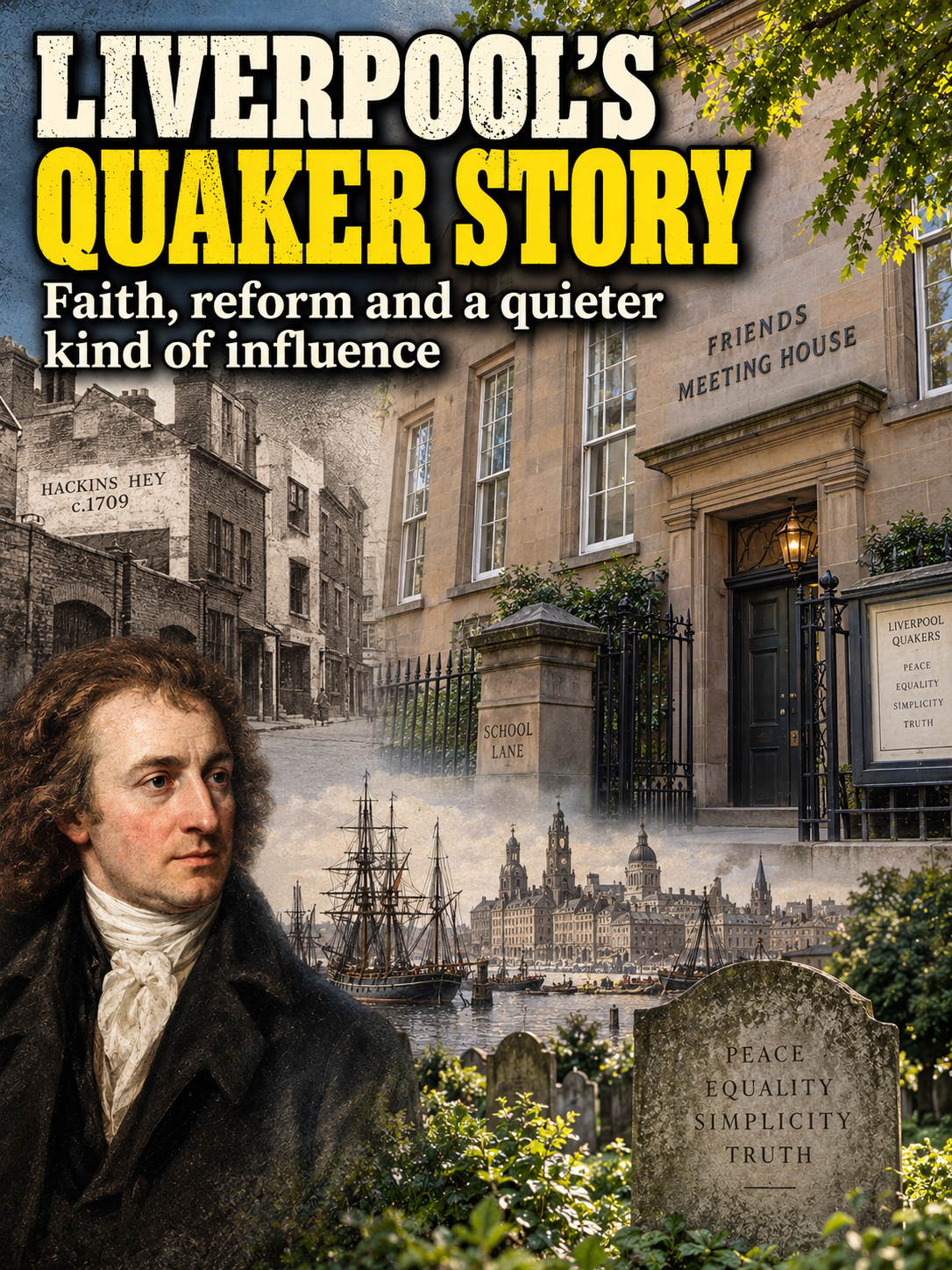
Article No. 23 · People & Communities · 13 min read
More than 370 years of Liverpool Quaker history, from Hackins Hey and William Rathbone IV to district nursing, Arundel Avenue and School Lane.
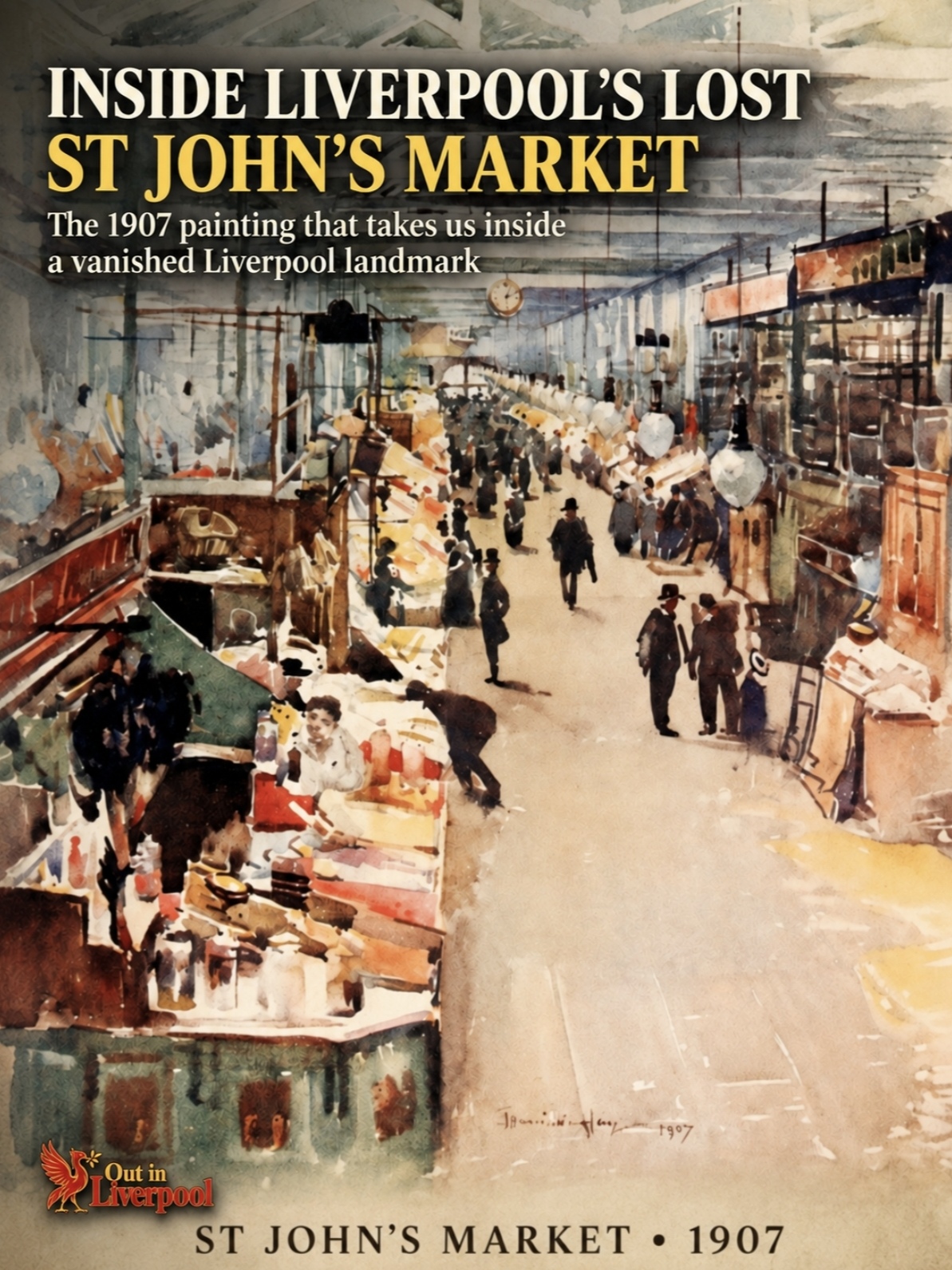
Article No. 22 · Culture & Everyday Life · 14 min read
Inside Liverpool’s pioneering 1822 St John’s Market: its iron-roofed hall, everyday traders and shoppers, 1964 demolition, and James Hamilton Hay’s remarkable 1907 view.
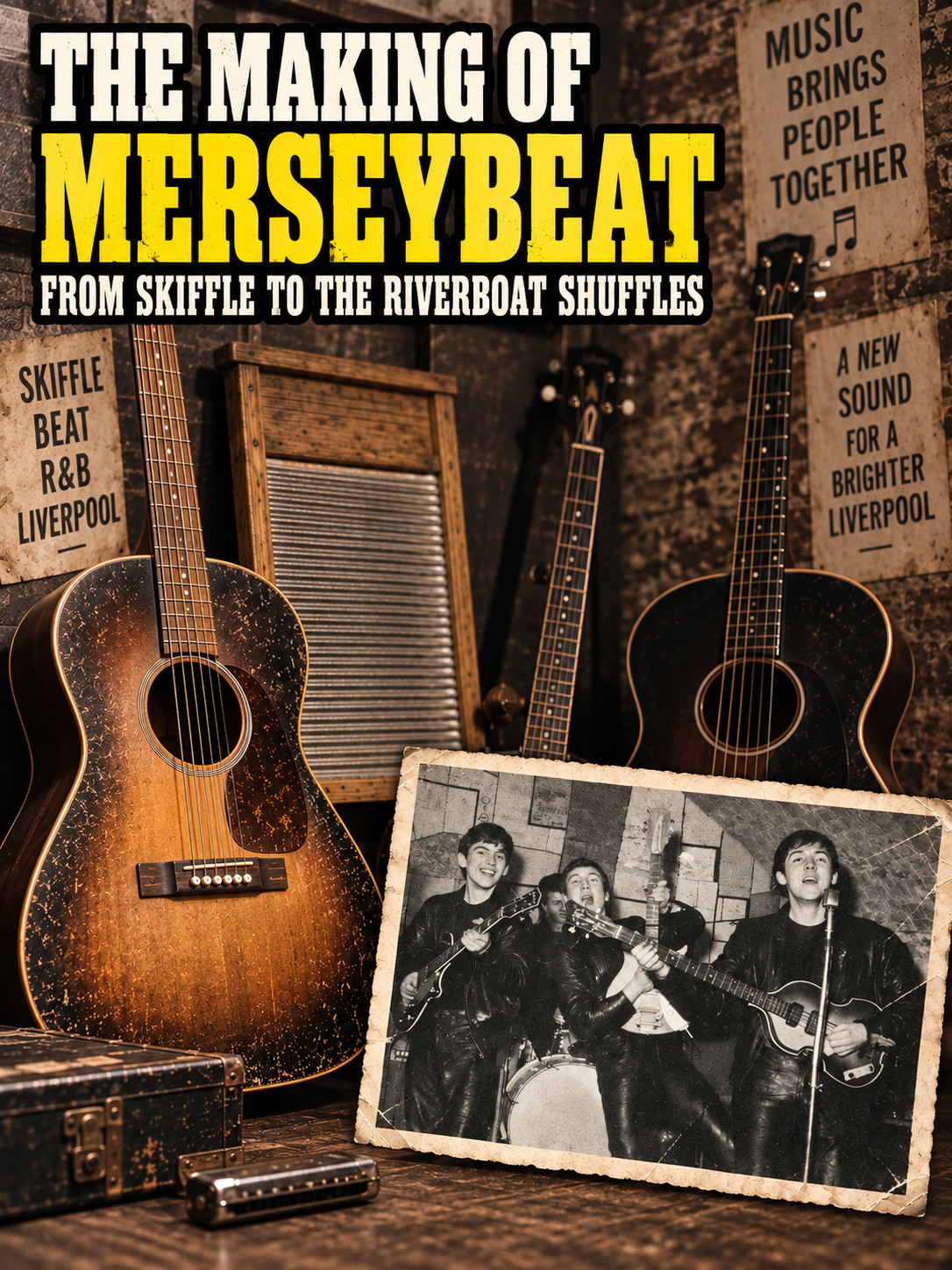
Article No. 21 · Culture & Everyday Life · 14 min read
How skiffle, clubs, dance halls, Hamburg, Mersey Beat and the Riverboat Shuffles created the Liverpool music scene that changed popular culture.
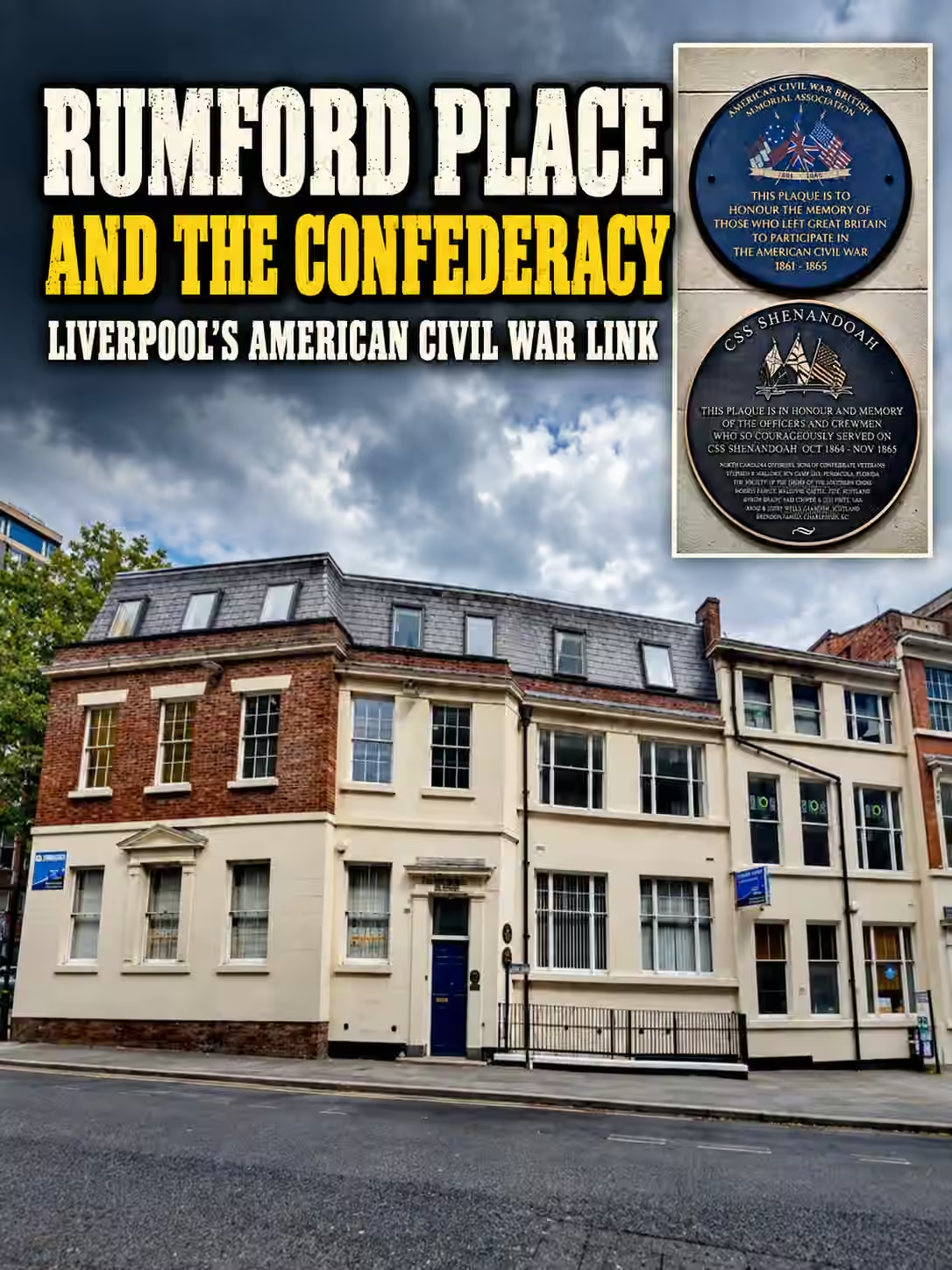
Article No. 20 · Liverpool Connections · 11 min read
How a quiet Liverpool street became a centre of Confederate finance, naval procurement and espionage during the American Civil War.
Article No. 19 · Liverpool Connections · 7 min read
The gateway to Liverpool Connections: unexpected links between Liverpool and ships, people, migration, music, technology and events around the world.
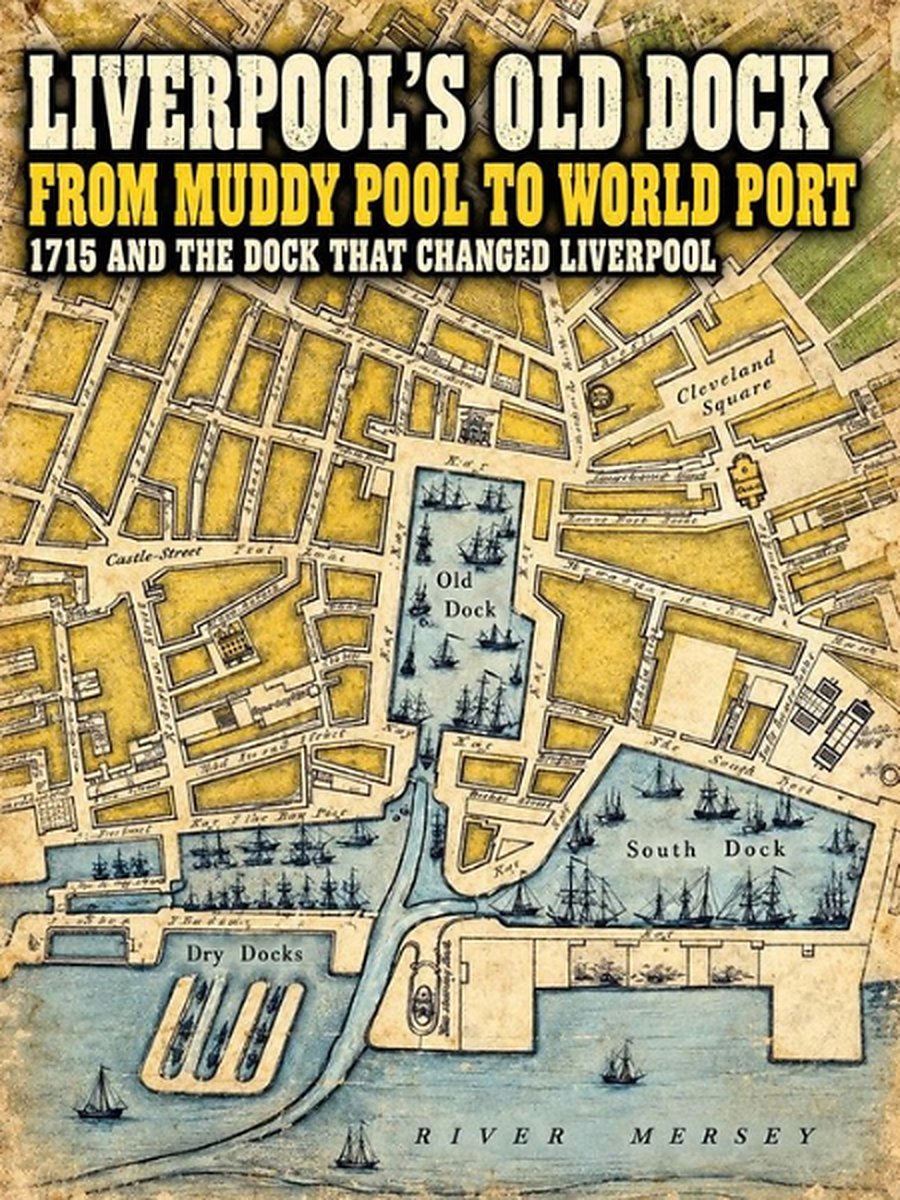
Article No. 18 · Business & Industry · 13 min read
How Liverpool transformed the tidal Pool into the world’s first commercial enclosed wet dock in 1715 — and began its rise as a global port.
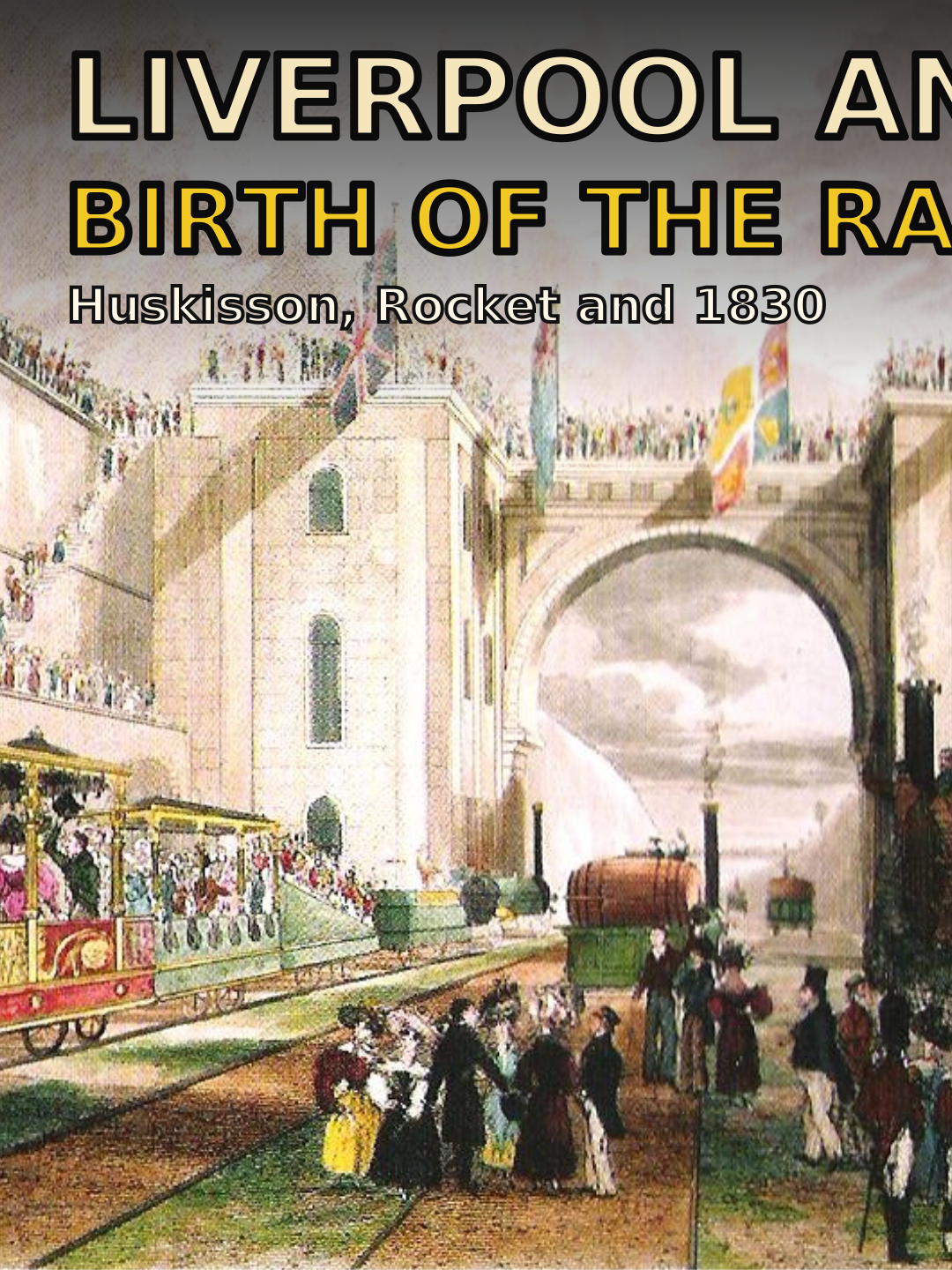
Article No. 17 · Business & Industry · 12 min read
How Liverpool and Manchester’s 1830 railway helped establish the modern railway age — from Edge Hill and Rainhill to the death of Liverpool MP William Huskisson.
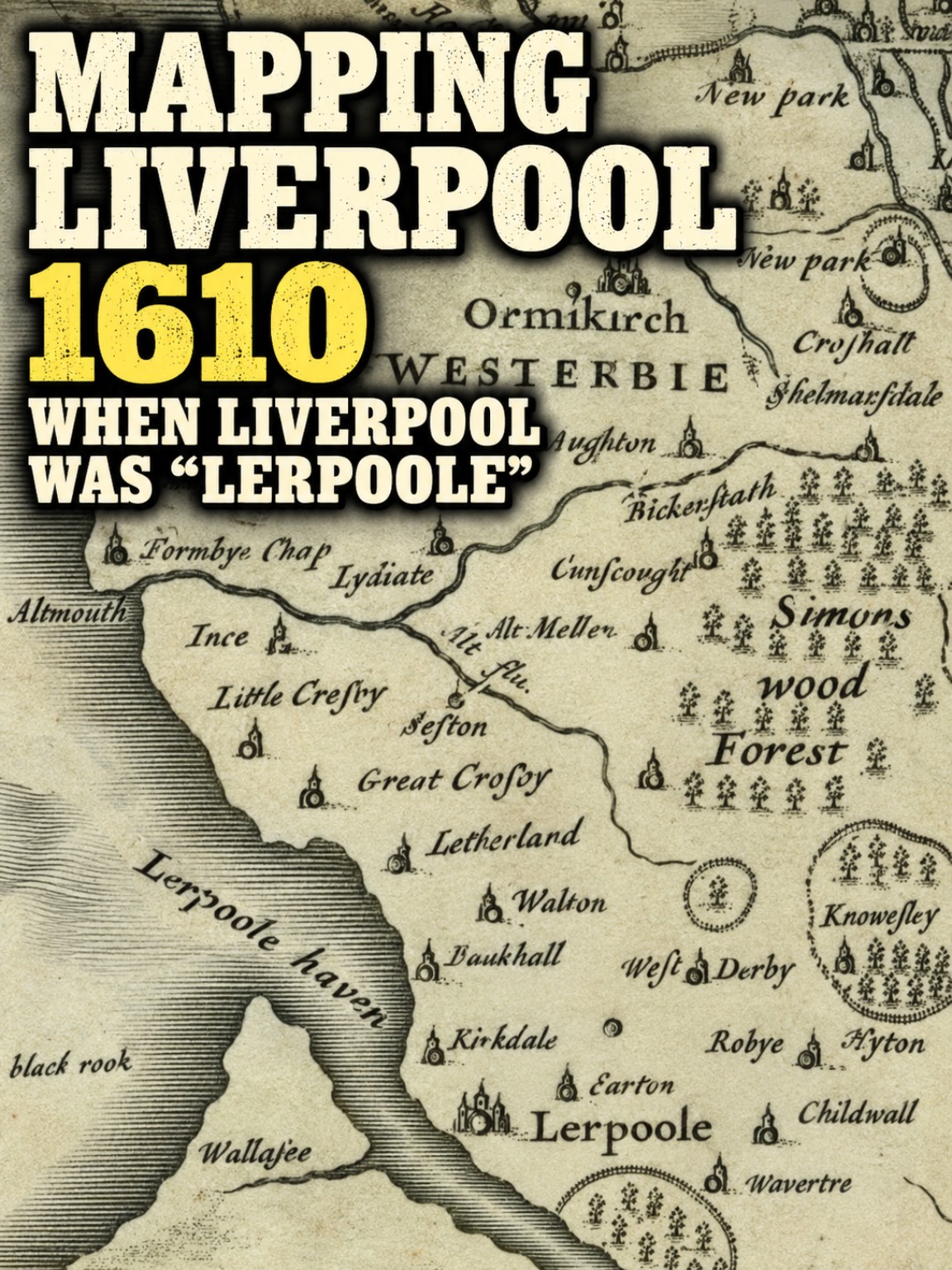
Article No. 16 · Culture & Everyday Life · 14 min read
John Speed’s 1610 map captures a tiny “Lerpoole” of around 1,000 people, surrounded by separate villages, rivers, forests and the historic West Derby Hundred.
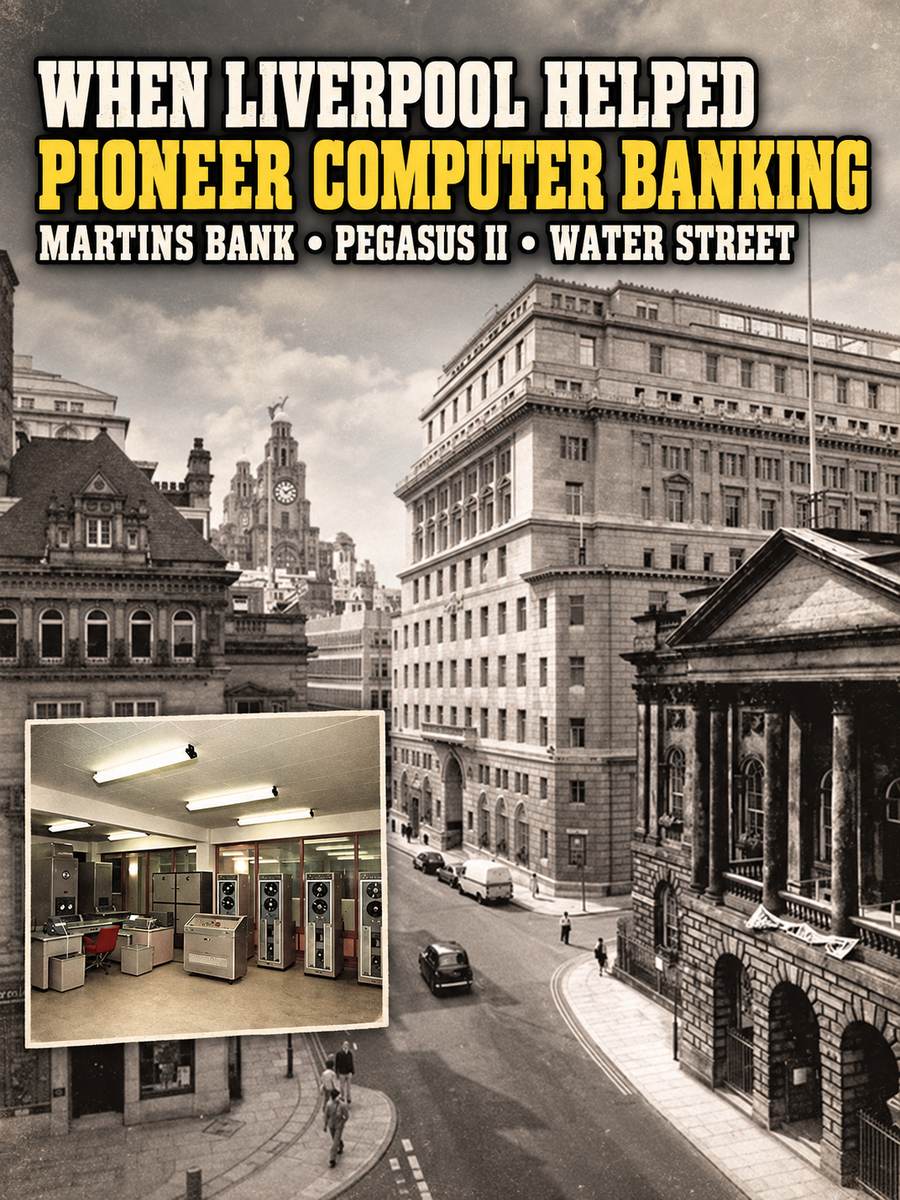
Article No. 15 · Business & Industry · 9 min read
How Martins Bank used a Ferranti Pegasus II at Derby House to pioneer daily computerised branch bookkeeping in Liverpool in the early 1960s.
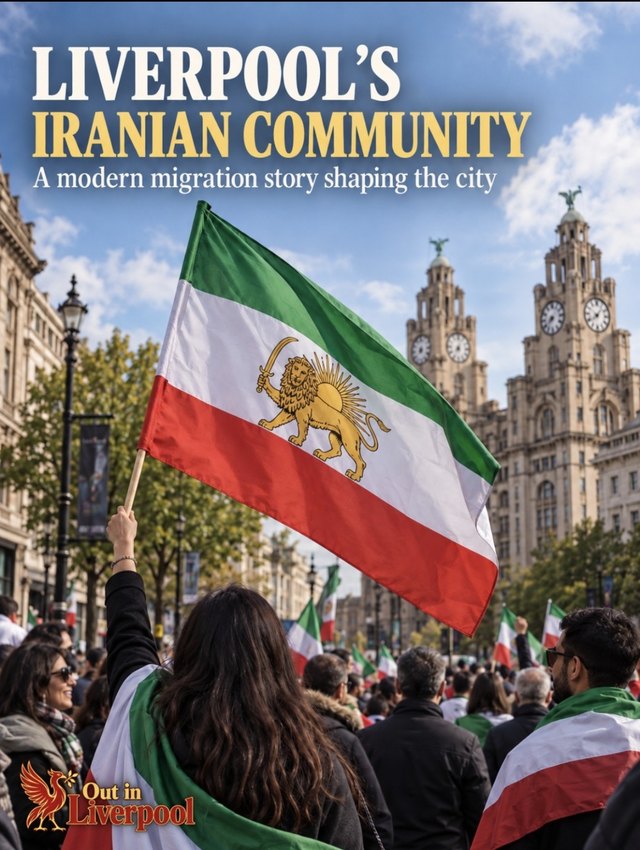
Article No. 14 · People & Communities · 11 min read
A modern migration story shaping Liverpool through language, community organisations, Nowruz, faith, food and the lives being built in the city today.
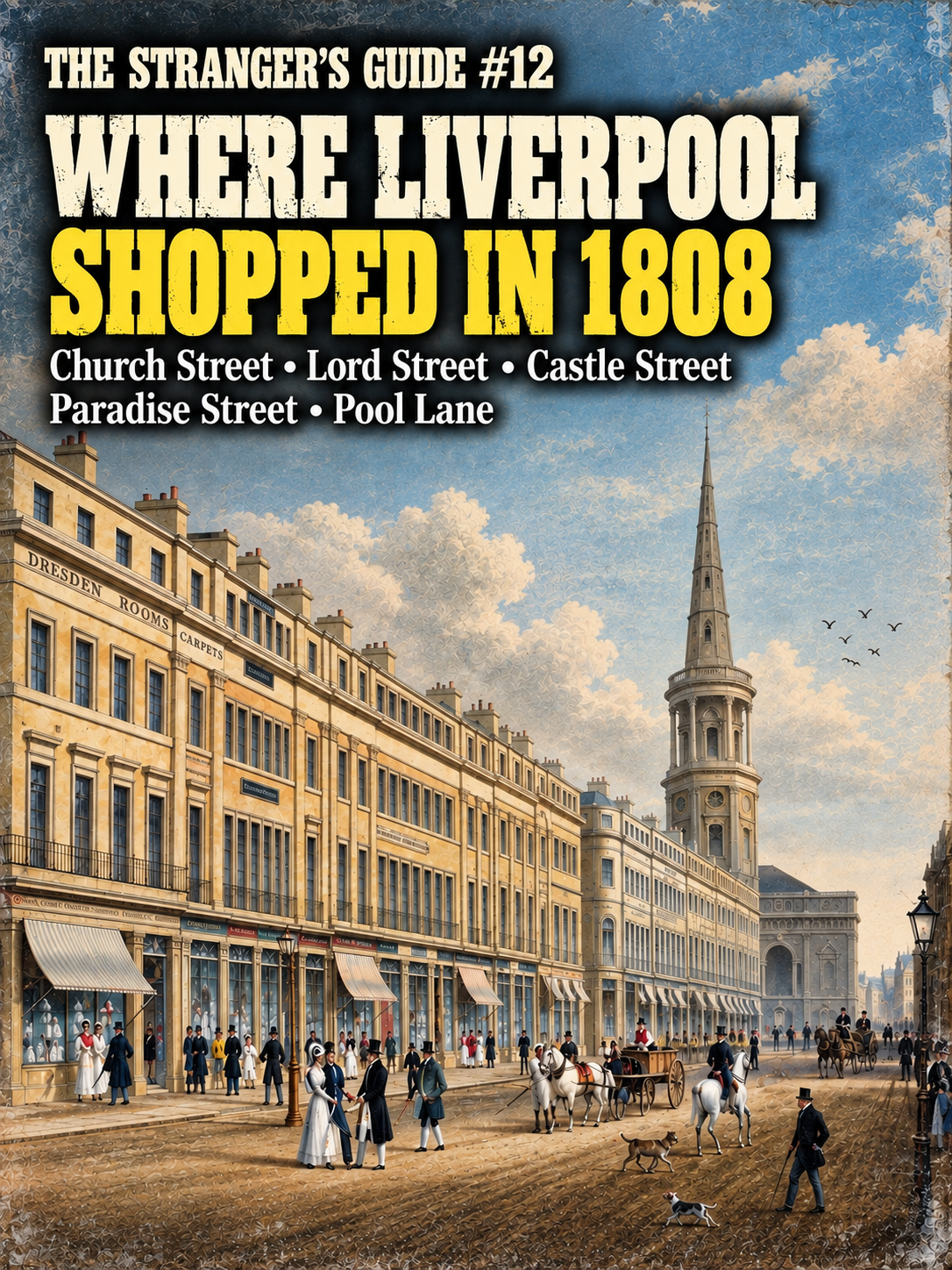
Article No. 13 · Culture & Everyday Life · 7 min read
Where did Liverpool shop in 1808? The Stranger’s Guide reveals a Georgian retail district spanning Church Street, Lord Street, Castle Street, Paradise Street and the lost Pool Lane.
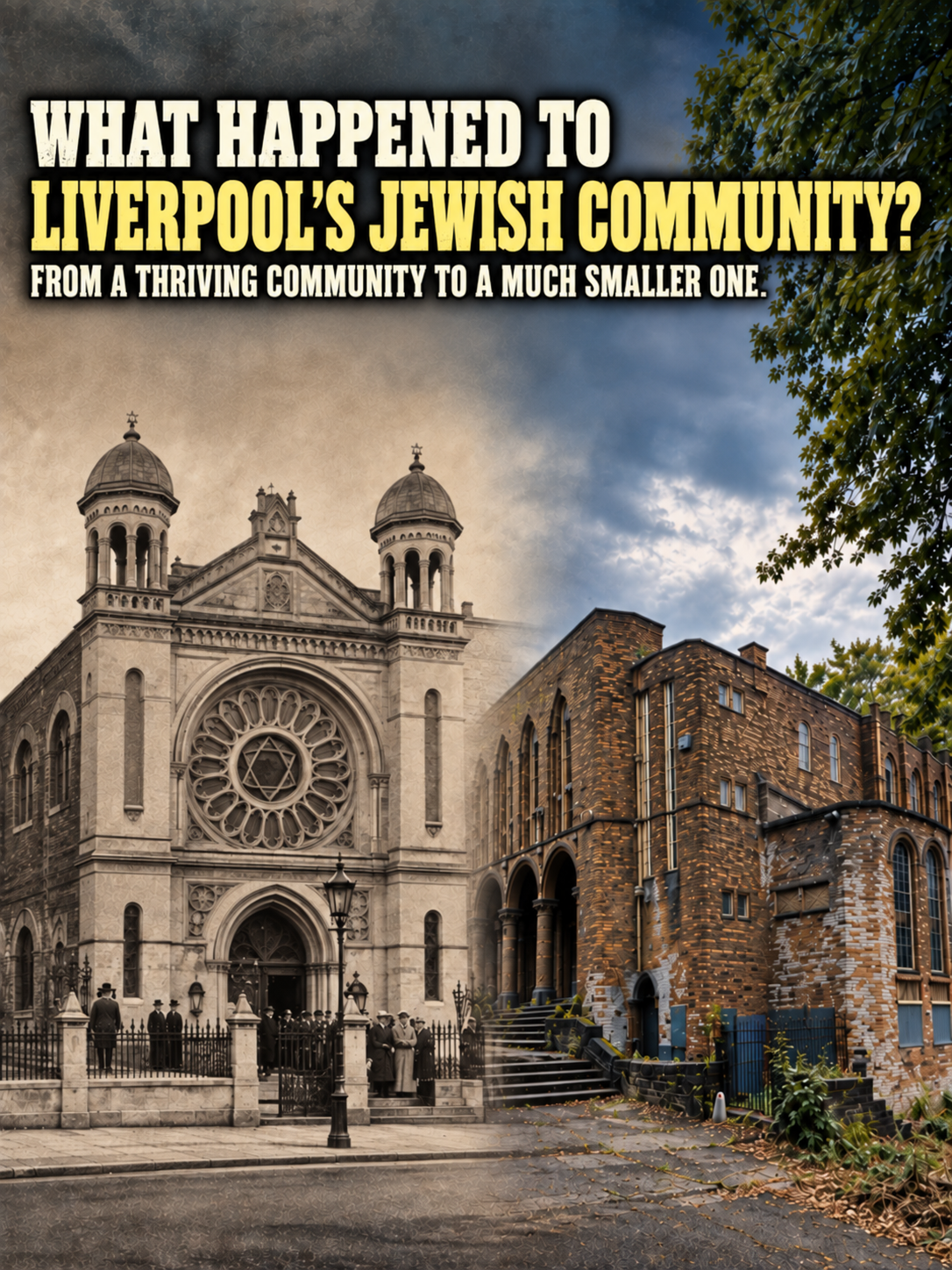
Article No. 12 · People & Communities · 10 min read
From one of Britain’s largest Jewish communities outside London to a population of around 1,800 today — the story of Jewish Liverpool is one of arrival, prosperity, movement, migration and survival.
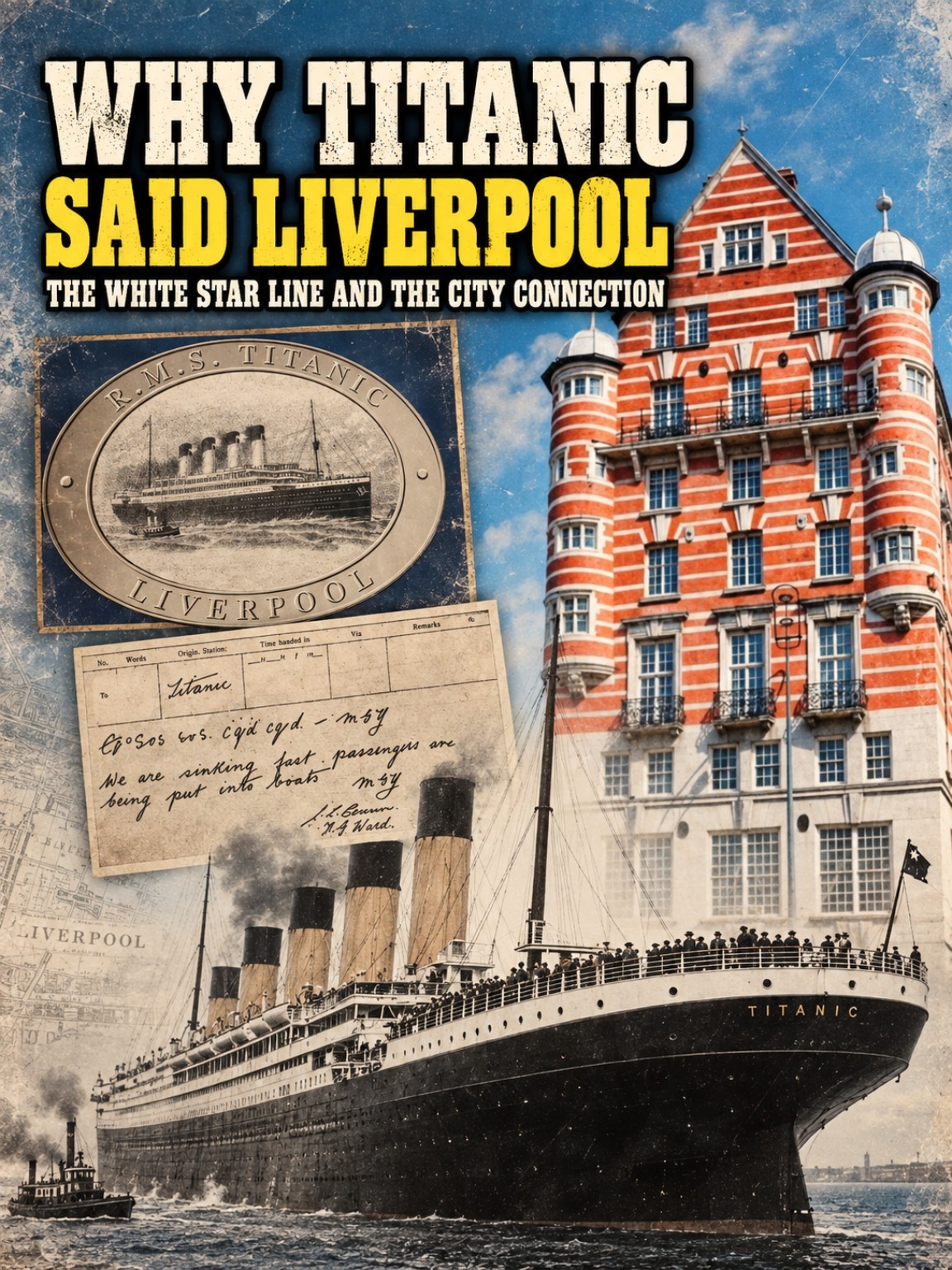
Article No. 11 · Maritime & Docks · 7 min read
Why Titanic carried Liverpool on her stern despite never sailing from the Mersey — and how White Star, local crew and the city were tied to the disaster.
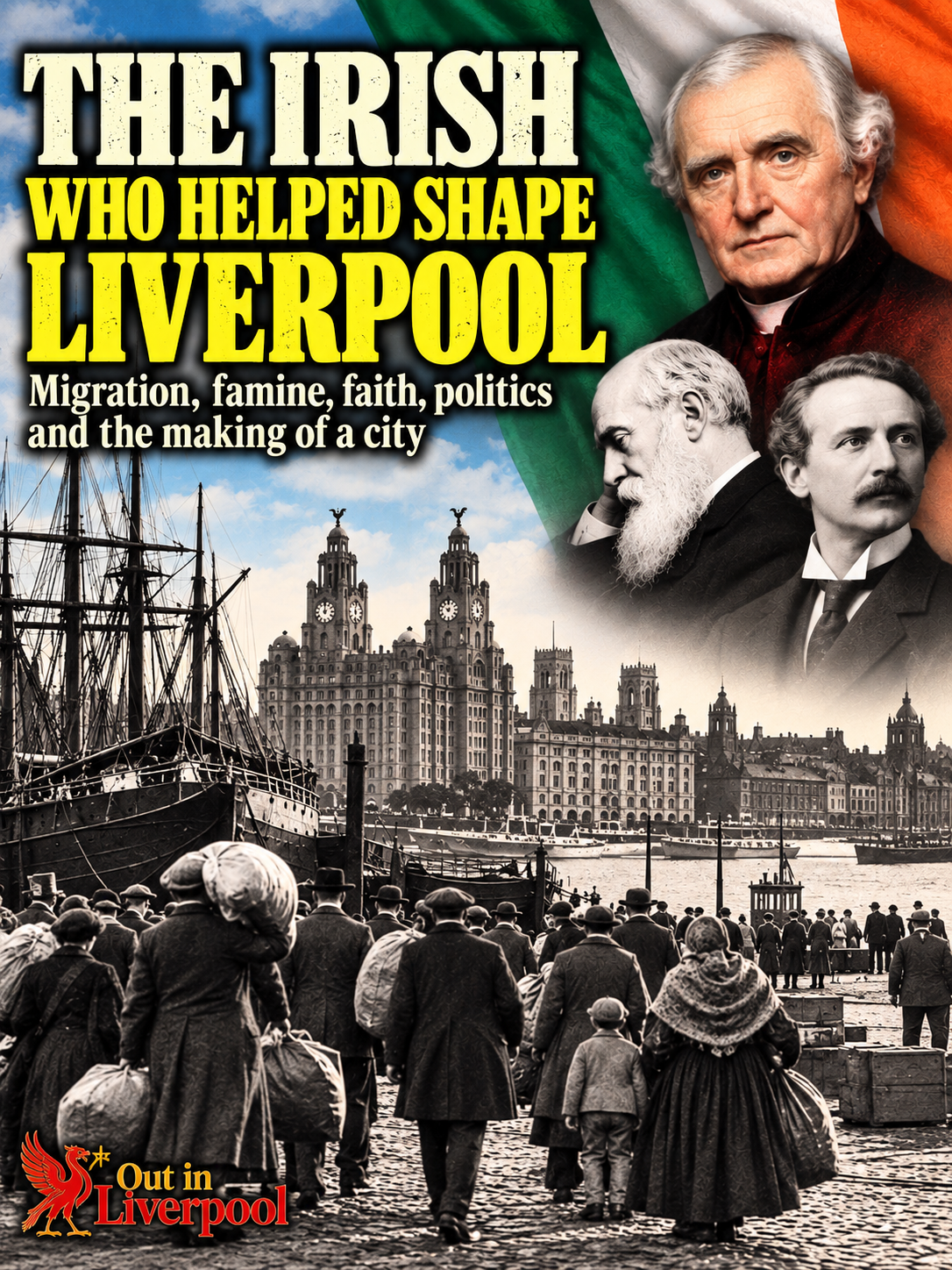
Article No. 10 · People & Communities · 11 min read
How Irish migrants, famine refugees, workers, priests, women, reformers, journalists and politicians helped shape nineteenth-century Liverpool.
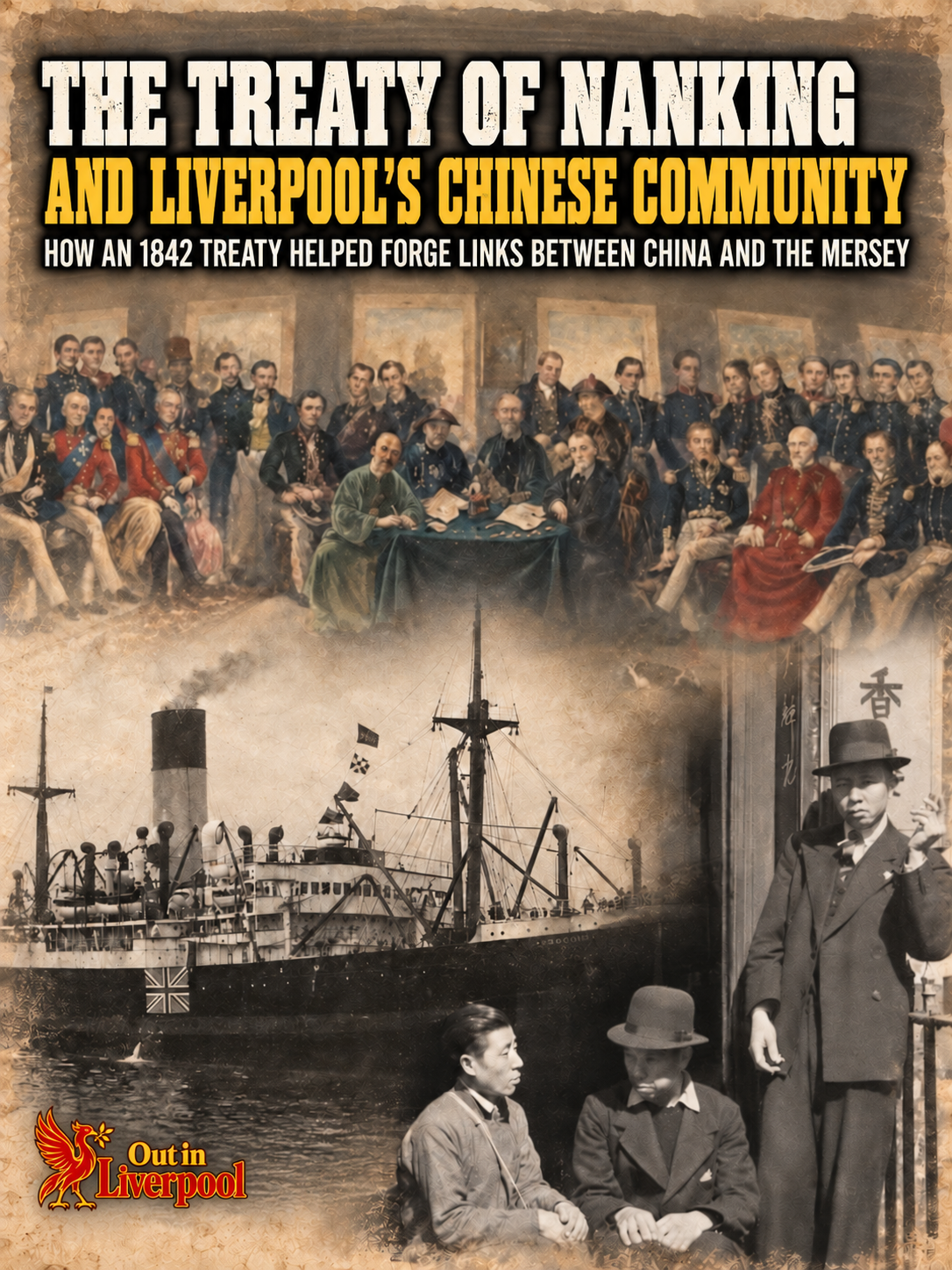
Article No. 9 · People & Communities · 9 min read
How an unequal treaty signed in 1842 helped open the routes that later brought Chinese seafarers, settlers and families to the Mersey.
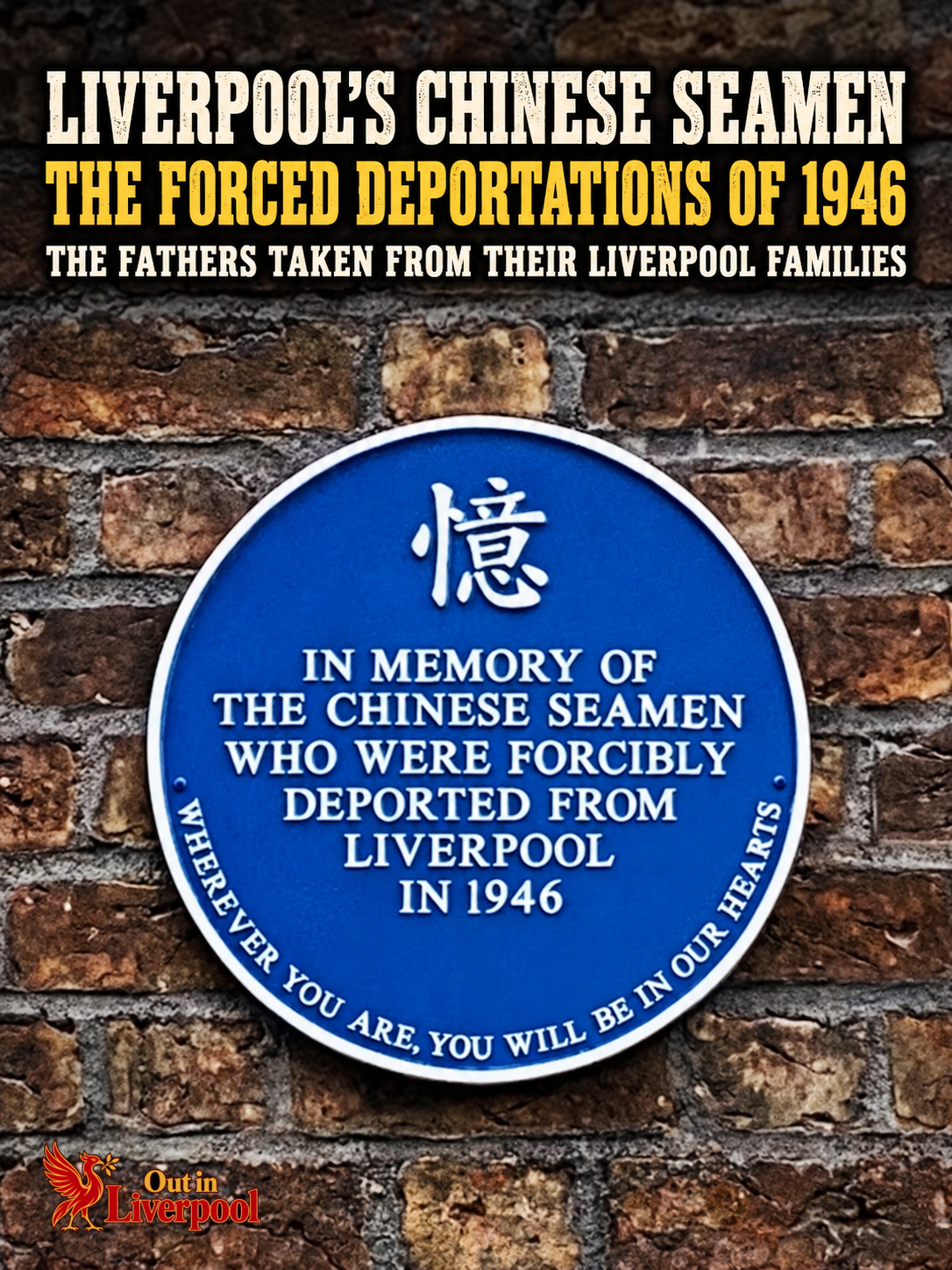
Article No. 8 · People & Communities · 11 min read
They did not abandon their families. They were taken from Liverpool.
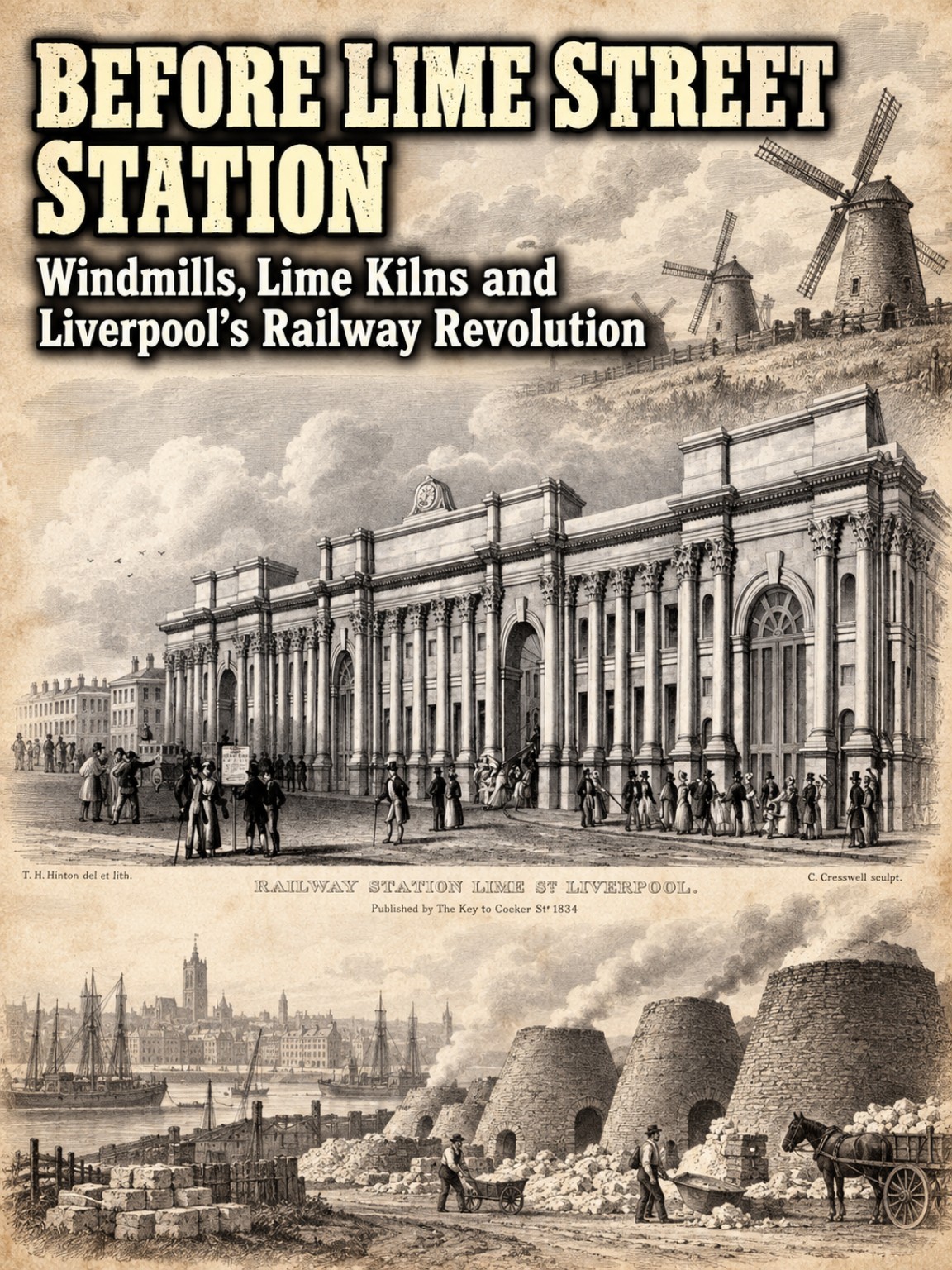
Article No. 7 · Transport & Railways · 8 min read
Before the trains, the great station roof and St George’s Hall, this was the edge of Liverpool — a landscape of windmills, lime kilns and open ground.
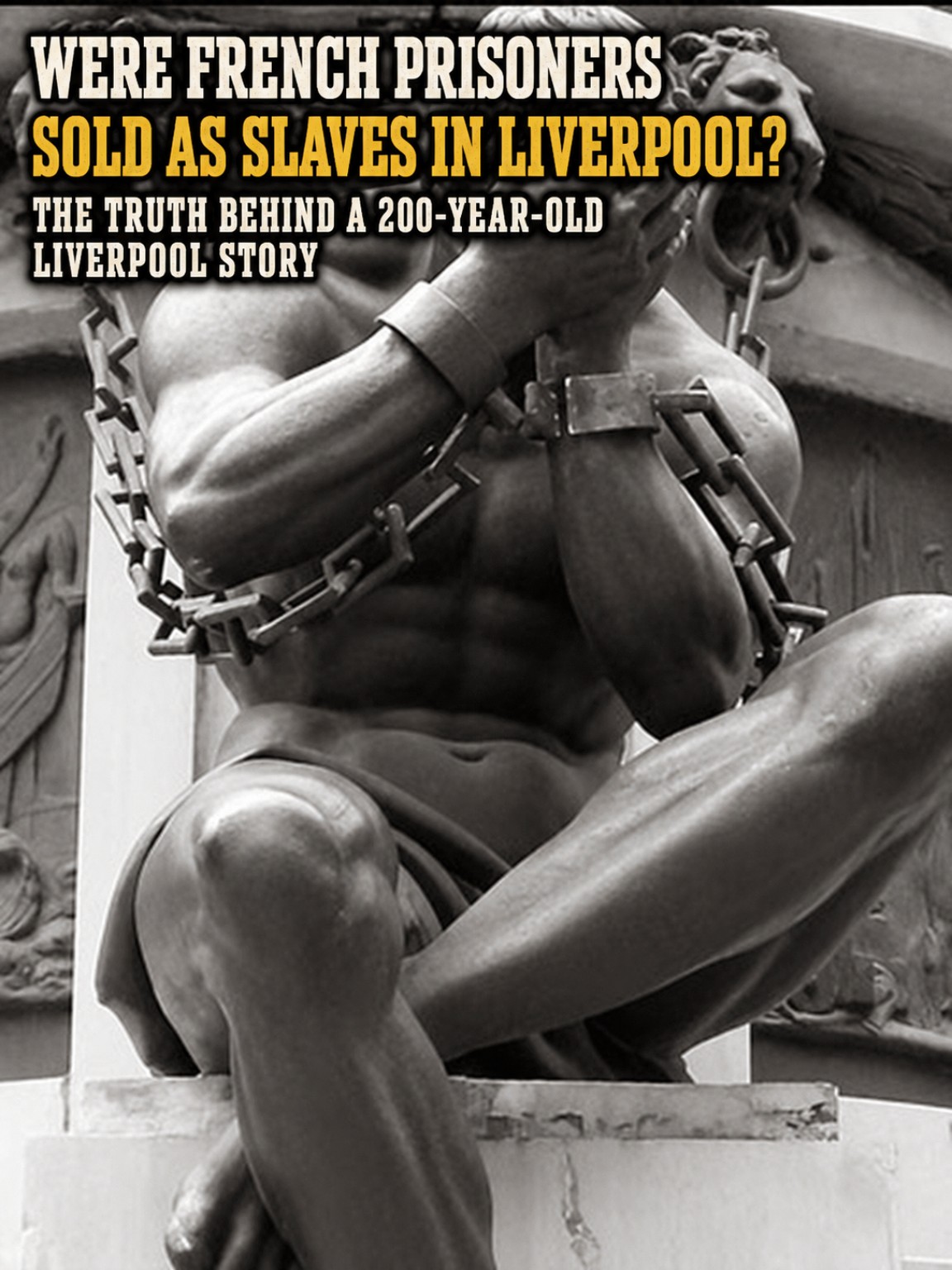
Article No. 6 · Myths & Evidence · 12 min read
French prisoners, privateers, prize auctions and Liverpool’s Nelson Monument: investigating the claim that French prisoners were sold into slavery.
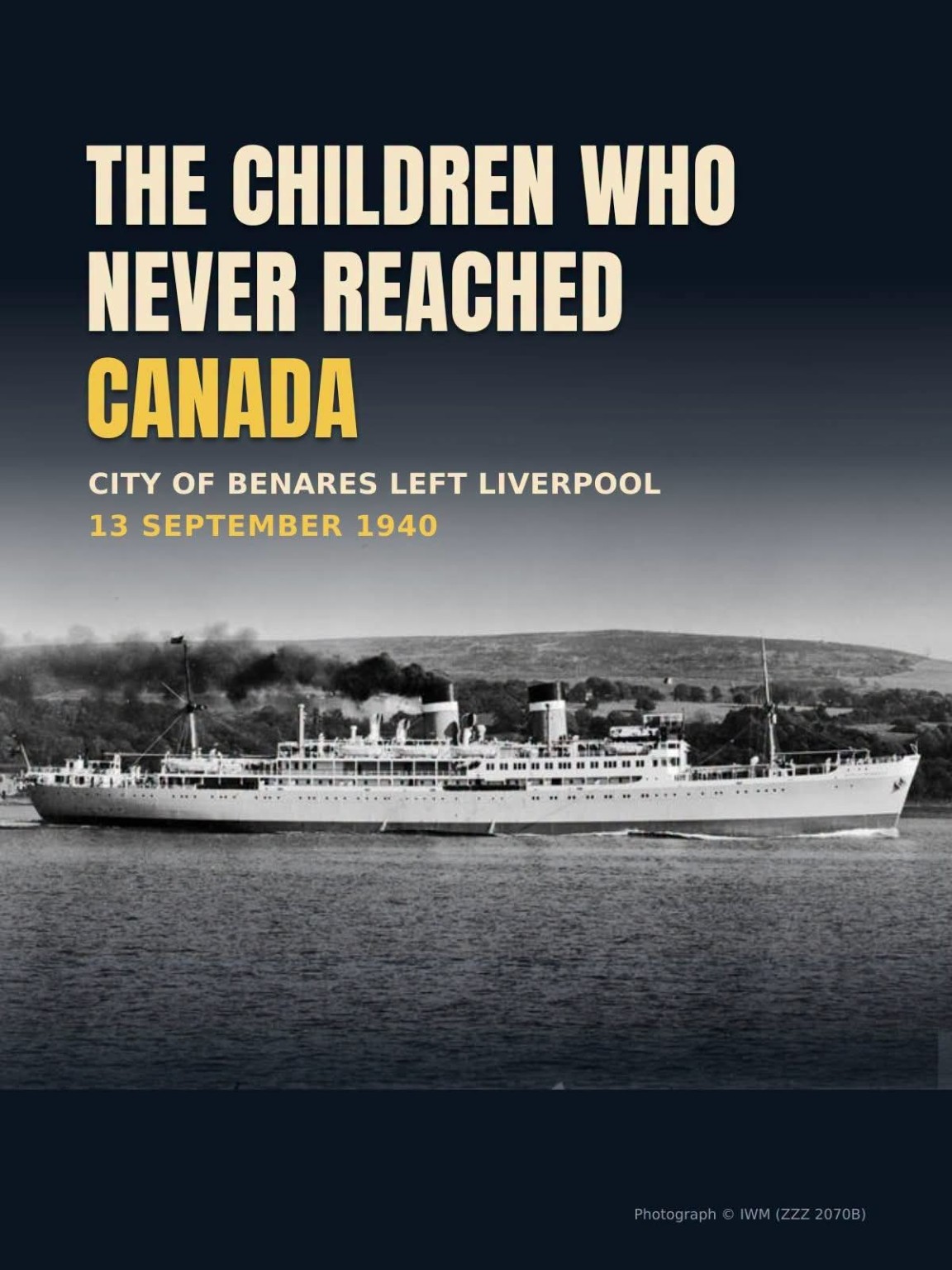
Article No. 5 · War & Remembrance · 3 min read
Ninety children left Liverpool aboard the City of Benares in September 1940, bound for safety in Canada. Only thirteen survived.
Article No. 4 · Myths & Evidence · 13 min read
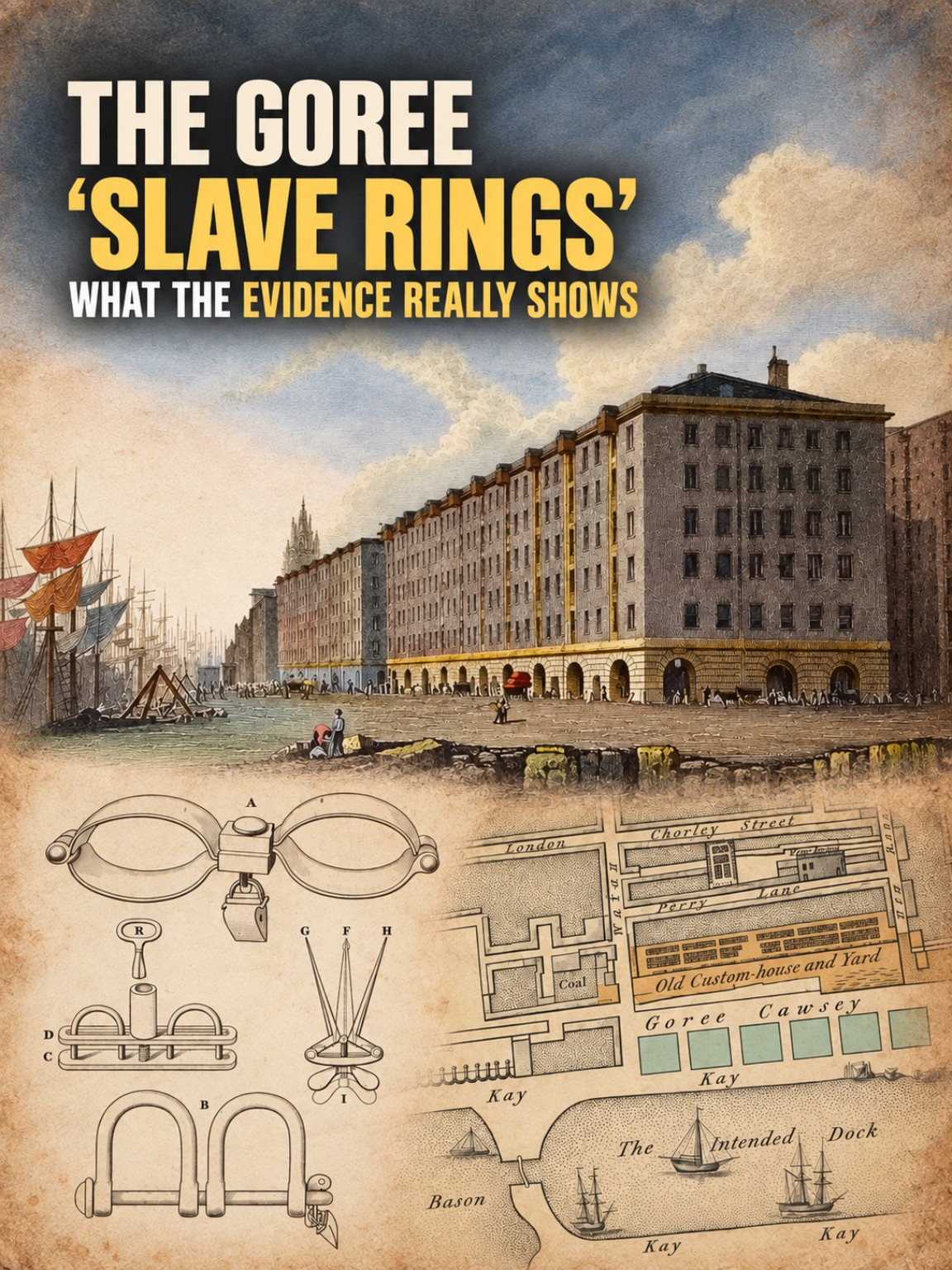
Liverpool’s Goree Piazzas were tied to the slave economy, but what does the evidence really show about the famous story of people chained beneath the arcades?
Article No. 3 · Maritime & Docks · 5 min read
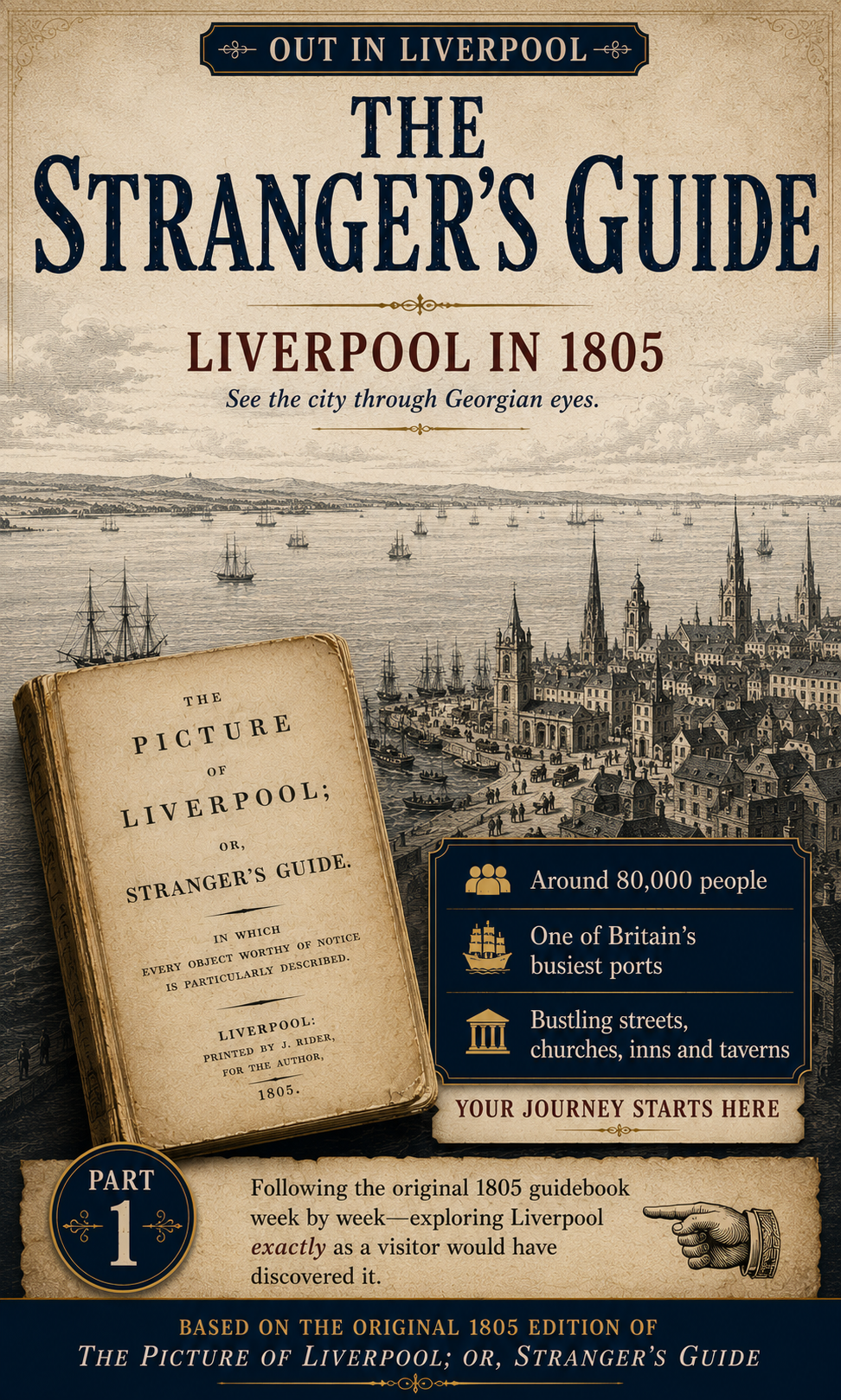
Step into Liverpool in 1805 through an original Georgian visitor’s guide and discover the docks, streets, buildings and rapidly growing port seen by strangers more than 220 years ago.
Article No. 2 · Culture & Everyday Life · 7 min read
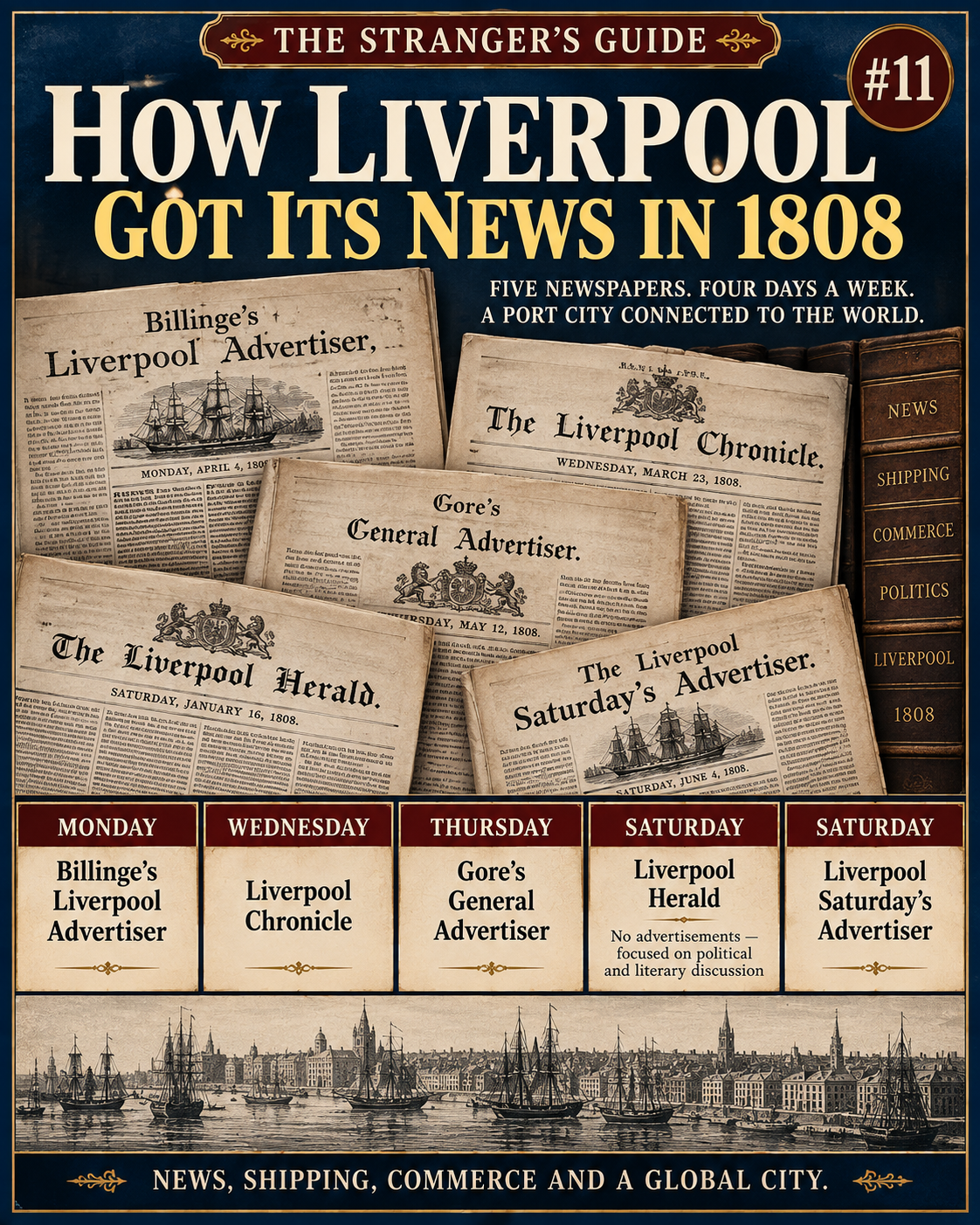
How did Liverpool get its news in 1808? The Stranger’s Guide reveals five weekly newspapers serving a Georgian port hungry for shipping, politics, commerce and news from around the world.
Article No. 1 · Pubs & Hospitality · 11 min read
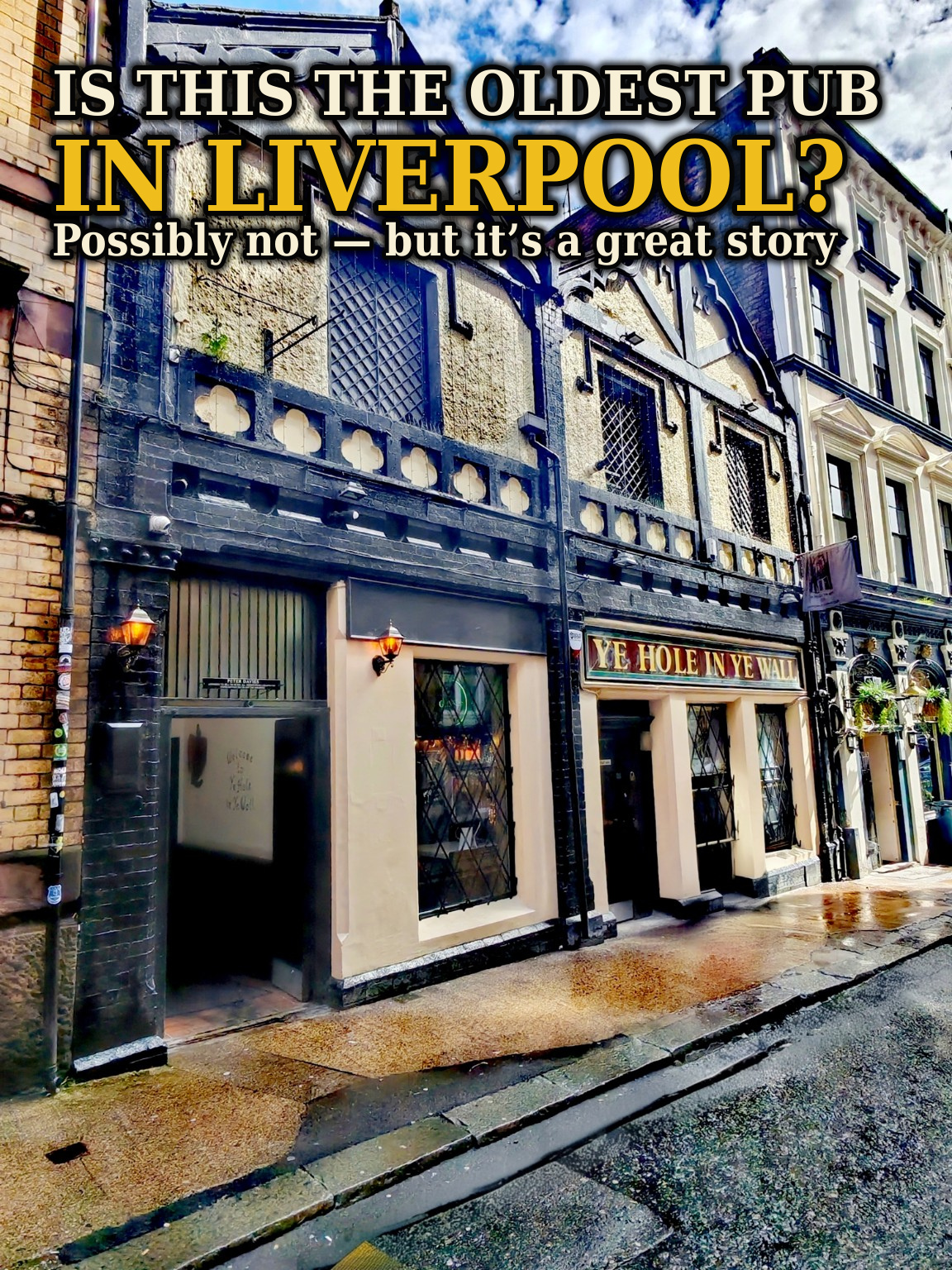
What directories, newspapers, maps and photographs reveal about the real age of Ye Hole in Ye Wall in Hackins Hey, Liverpool.