From a Liverpool provisions business to a new way of feeding Britain
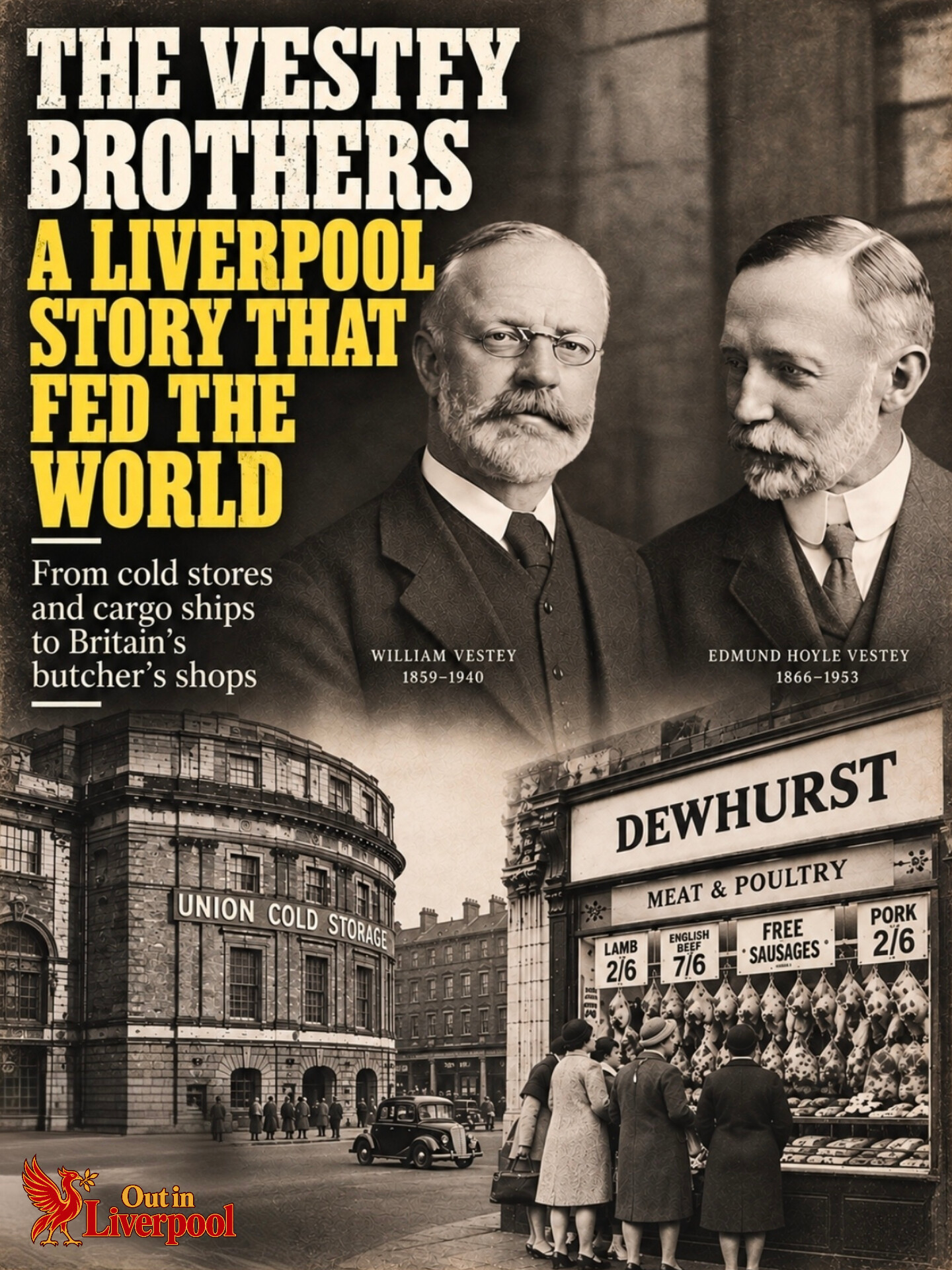
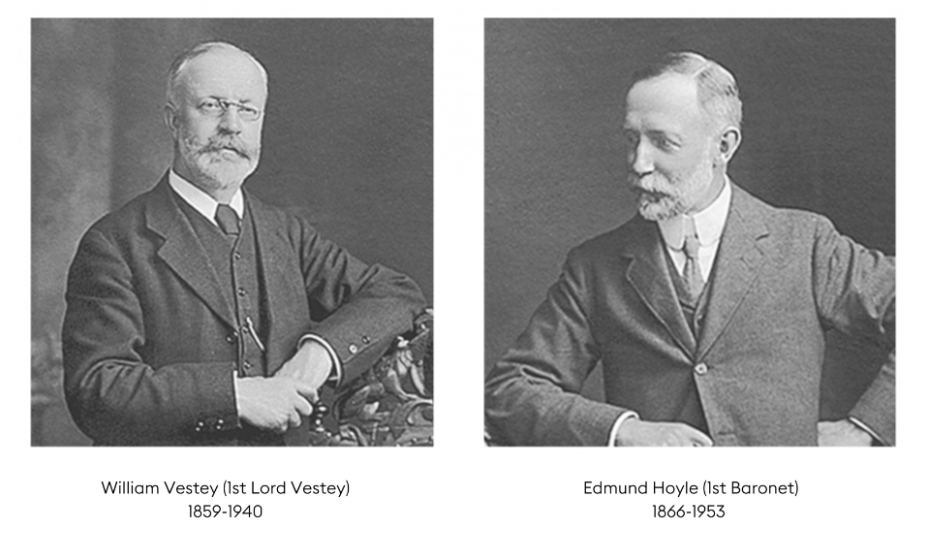
Before Dewhurst became a familiar name on British high streets, the Vestey story began in Liverpool's provisions trade. William Vestey (1859–1940) and his younger brother Edmund Hoyle Vestey (1866–1953) were sons of Samuel Vestey, a Liverpool provisions merchant. They learned a trade built around sourcing, storing and selling food to a growing industrial population.
William's experience of the American meat trade, and the possibilities opening up in South America, helped the brothers recognise a commercial opportunity. Refrigeration could carry perishable food across oceans and into British shops. The technology did not originate with the Vesteys, but they became exceptionally successful at building a business around it.
In 1890 the brothers built their first cold store in Liverpool. In 1897 they established Union Cold Storage, initially to acquire that existing Liverpool facility. Those two dates mark the foundation of a company whose operations would eventually extend across continents.
The cold-store sign in Williamson Square
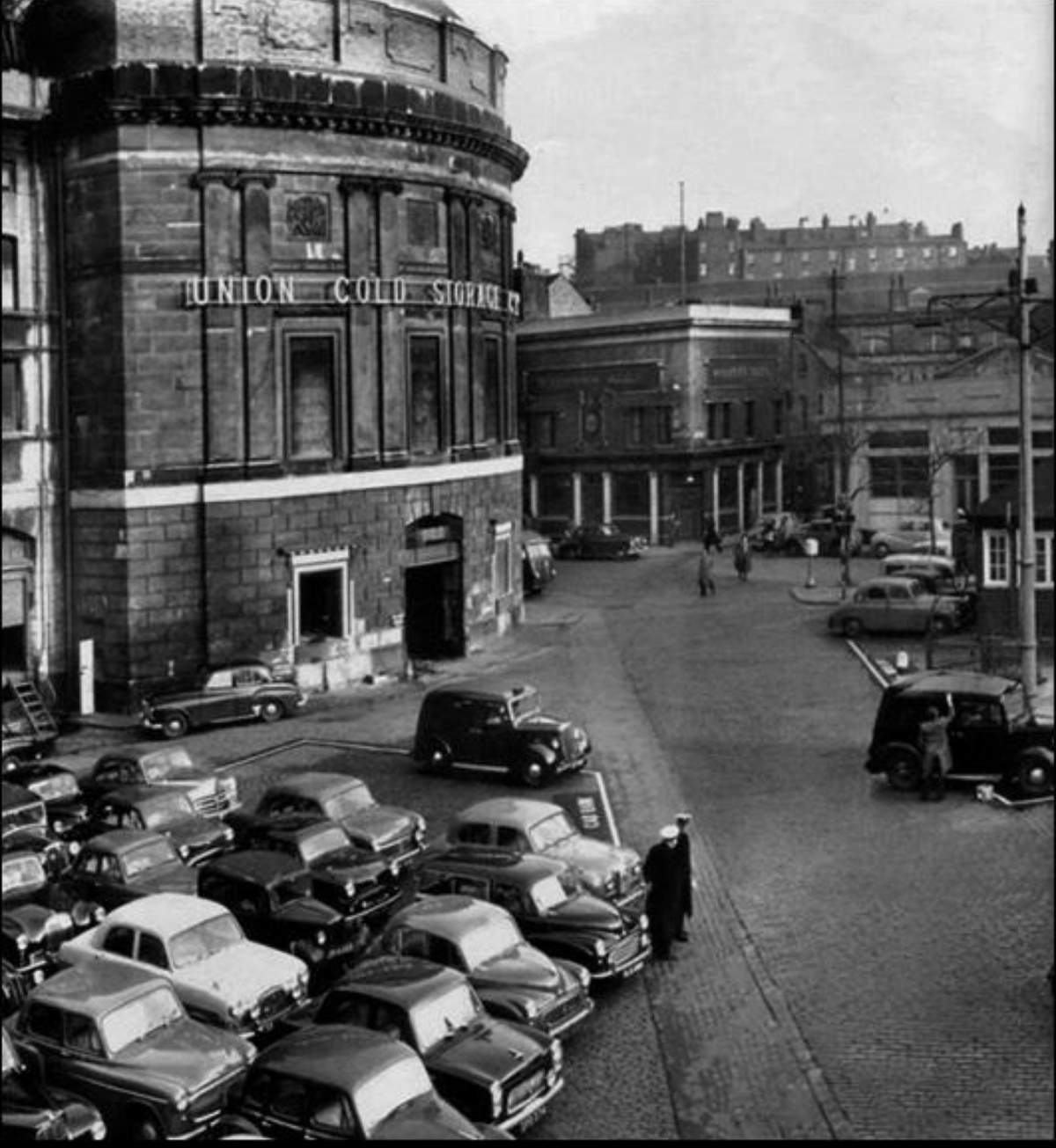
One of the most striking local reminders stood in Williamson Square. The former Theatre Royal, an important Liverpool entertainment venue which had closed in the nineteenth century, was subsequently adapted for commercial purposes. Later photographs show its curved frontage carrying the unmistakable sign UNION COLD STORAGE.
The building's transformation from theatre to cold-storage premises says much about a changing city. Liverpool was a port, a distribution centre and a place where advances in transport and food preservation could be turned into everyday commerce. The surviving photograph is evidence of Union Cold Storage's presence there; it does not establish that this was the brothers' original 1890 cold store.
The old theatre building has since disappeared from the square. Accounts differ about its precise demolition date, so the more important point here is the documented Union Cold Storage identity and the unusual reuse of a famous cultural building.
Liverpool at the centre of an international chain
The brothers expanded beyond warehouses. They acquired refrigerated ships, meat-processing operations, cattle properties and eventually retail butcher shops. Their Blue Star shipping business grew out of the need to move perishable cargo reliably over long distances.
By the First World War the group had interests at nearly every stage between livestock production and the customer's shopping basket. This form of vertical integration meant that a company associated with a Liverpool cold store could participate in the entire international journey of meat.
Liverpool remained an important part of the network. A contemporary 1923 report put the group's Liverpool cold-storage capacity at 5,808,000 cubic feet, compared with 12,615,000 cubic feet for its British total. On those reported figures, Liverpool represented approximately 46 per cent of the group's British capacity. These are period-reported figures, not a fresh measurement of surviving premises.
Dewhurst: the shop at the end of the supply chain
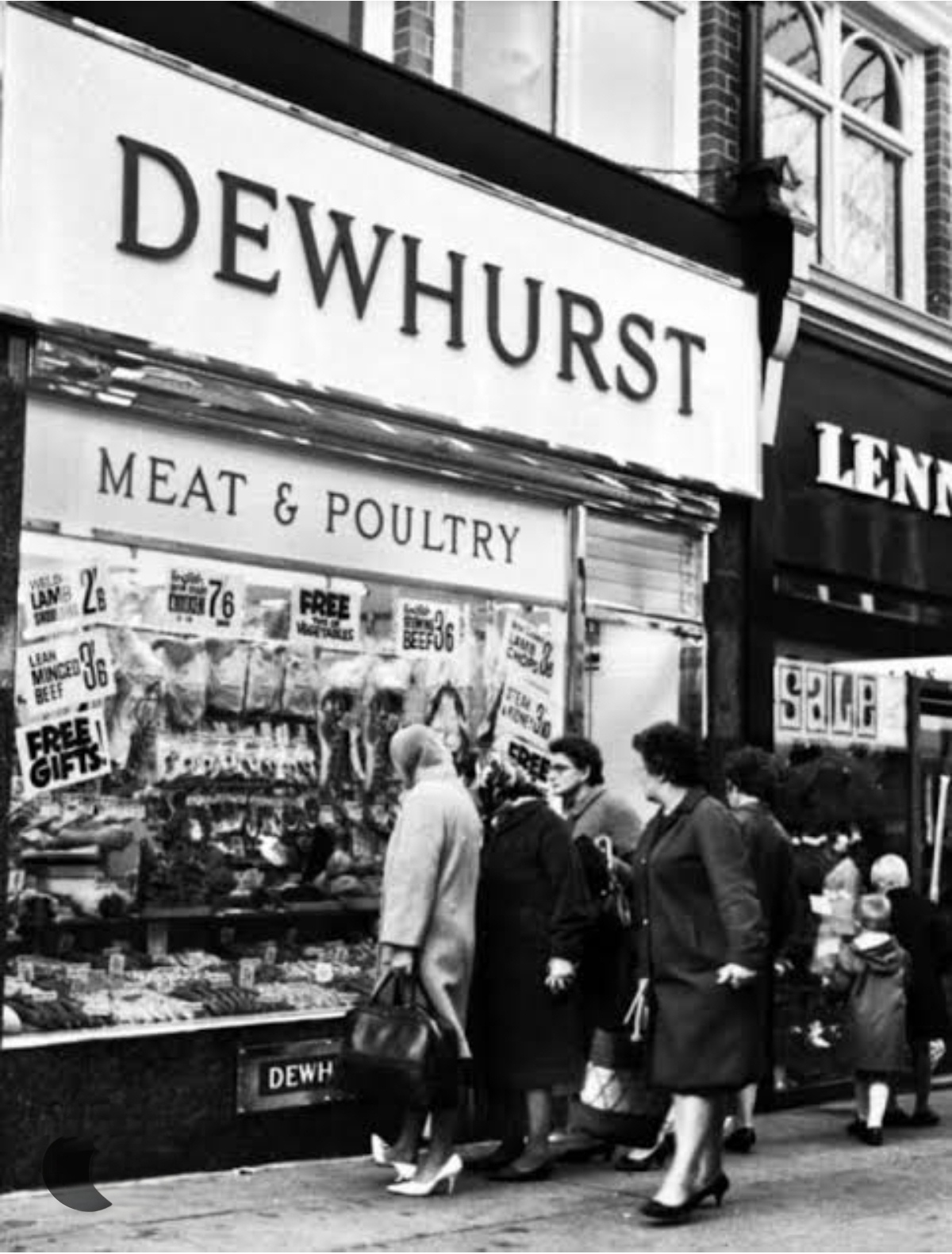
Many customers never saw a cattle station, refrigerated ship or wholesale warehouse. What they saw was the butcher. The Vestey group accumulated retail businesses, and Dewhurst became one of the most recognisable names associated with its British trade.
The red-and-white frontage, counter service and meat wrapped for customers were part of ordinary shopping life. Behind the local shop was a much larger organisation involved in production, shipping, storage and distribution. The number of shops associated with the wider group at different dates should not be confused with the number trading under the Dewhurst name at any one moment.
The group's interests also extended into products familiar in British kitchens, including meat extracts and canned foods. What began as a Liverpool trading opportunity had become a system for supplying everyday necessities on a vast scale.
The tax controversy
That extraordinary commercial success brought extraordinary scrutiny. In 1980, a Sunday Times investigation reported that the Dewhurst chain had paid just £10 in tax on more than £2.3 million of profit in 1978. The figure was subsequently repeated in major national reporting and became emblematic of the family's elaborate international tax arrangements.
The distinction matters: this was a controversy about legal tax avoidance, not a finding that the family had been convicted of tax evasion. Earlier parliamentary debates had already raised questions about the brothers' decision to conduct business from abroad. Their arrangements were disputed politically and publicly long before the famous £10 figure appeared.
The story raises a question that still resonates: how should a business with such a substantial presence in British daily life contribute to the country in which it trades?
Wave Hill and the Gurindji struggle
The empire also had a human cost far from Liverpool. At Wave Hill station in Australia's Northern Territory, Aboriginal workers, principally Gurindji people, endured very poor working and living conditions under Vestey ownership.
On 23 August 1966, Vincent Lingiari led about 200 stockmen, domestic workers and family members in a walk-off. What began as a protest over wages and conditions developed into a campaign for the return of traditional land.
After years of campaigning, new lease arrangements were made in 1973. On 16 August 1975, Prime Minister Gough Whitlam ceremonially handed soil to Lingiari at Daguragu, symbolising the return of part of Gurindji country. It became a defining moment in Australia's land-rights history. That history belongs in any account of the Vestey empire, alongside the scale of its business achievements.
What happened to the empire?
From the later twentieth century, the retail and integrated-meat model came under pressure. Supermarkets changed how Britain bought meat, while the wider group underwent financial strain and restructuring. Dewhurst entered receivership in 1995, and the Blue Star Line was sold in 1998.
The family business did not simply disappear: successor interests continued in food trading and distribution. But the era in which one organisation could be associated with cattle stations, refrigerated fleets, cold stores and thousands of high-street shops had largely ended.
The Liverpool beginning is easy to overlook. Yet the old Union Cold Storage sign in Williamson Square provides a vivid local link to a company whose reach extended to dinner tables across Britain and far beyond.
References
Sources & further reading
- Oxford, Global Capitalism project, Union Cold Storage case study
- Vestey Holdings, Heritage
- The Guardian, Heirs and disgraces (1999)
- UK Parliament, Hansard, Lord Vestey (1922)
- National Museum of Australia, Wave Hill Walk-Off
- National Archives of Australia, Wave Hill walk-off
- Poverty Bay Herald, “Vesteys: A Gigantic Corporation”, 17 November 1923, p. 12. Contemporary report of 5,808,000 cubic feet in Liverpool and 12,615,000 cubic feet across the group's British cold stores.
The 1923 figures are attributed to this contemporary newspaper account; the newspaper's own percentage for overall UK capacity is inconsistent with its stated totals.
Image credits
Portraits of William and Edmund Vestey: Vestey Foods. Historical Union Cold Storage, Williamson Square, and Dewhurst images: original photographers and collections unconfirmed. Out in Liverpool supplied collage and article images. Credits identify known sources; reproduction permission has not been established.
Continue the conversation
Share this Liverpool story
Remember Dewhurst or Union Cold Storage? Share your memories with Out in Liverpool.