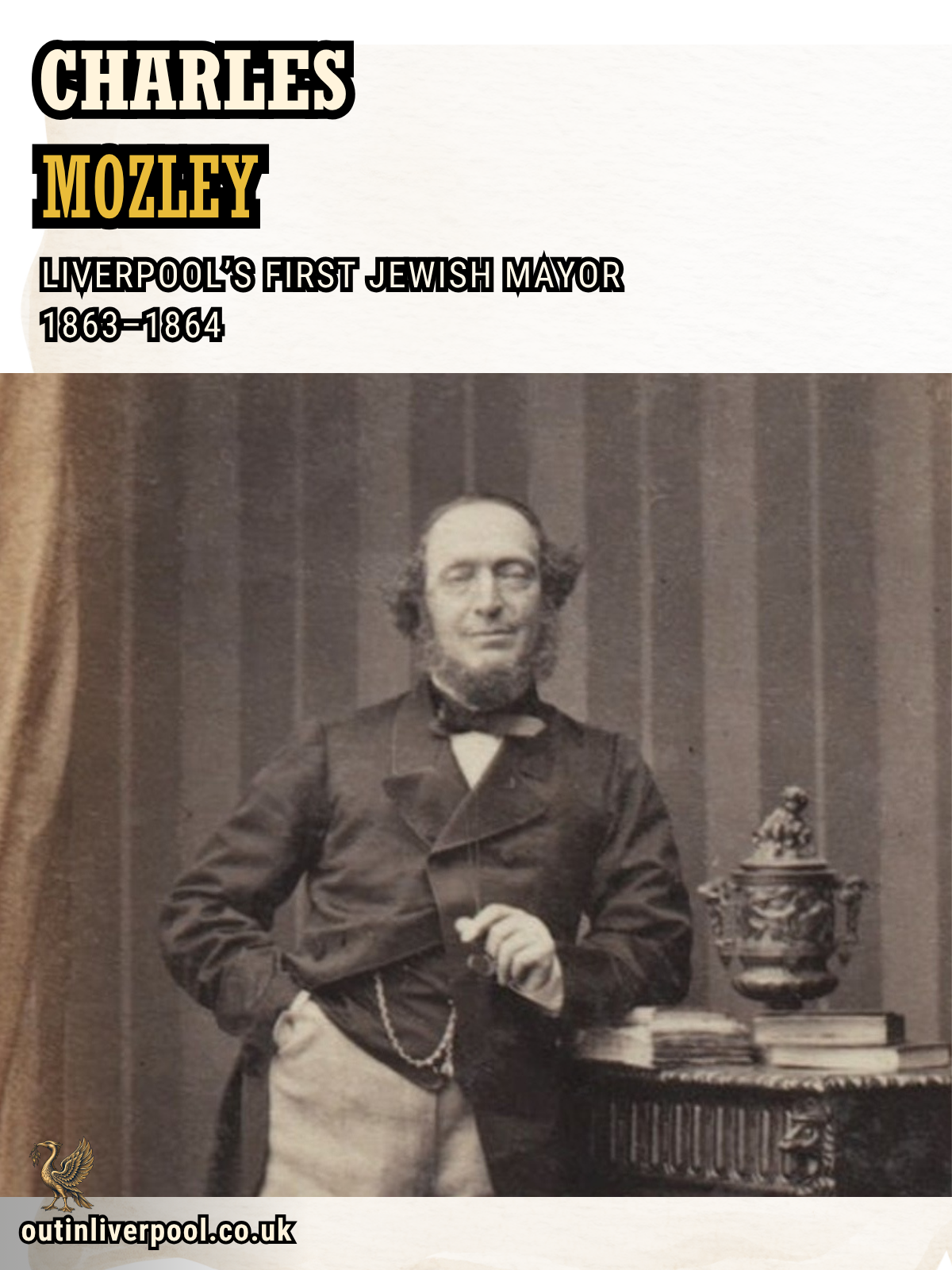
Liverpool elected Charles Mozley its first Jewish mayor in 1863. His civic career brings together education, religious exclusion, public charity and the risks of Victorian banking.
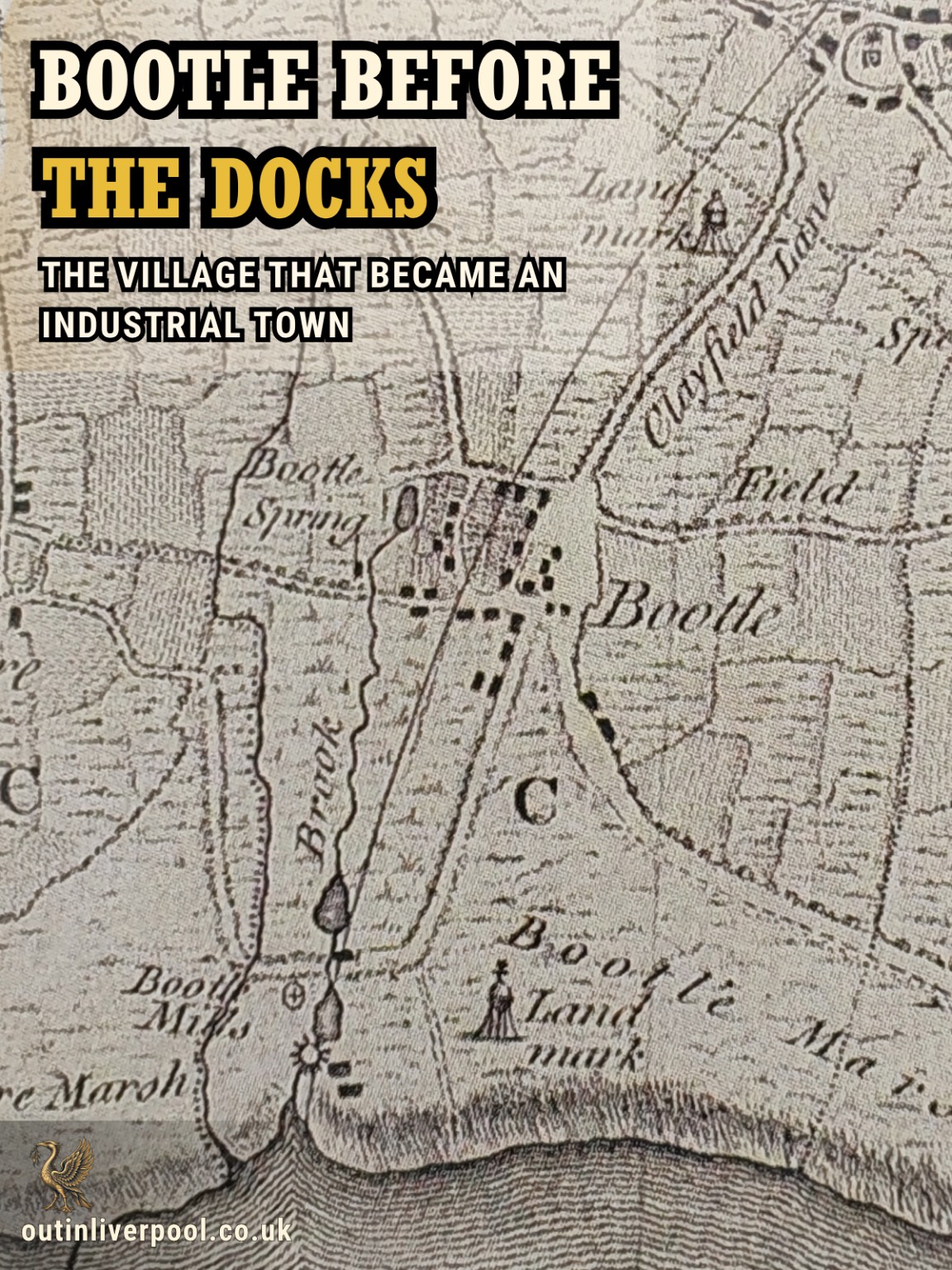
Explore Bootle before the docks, from its Domesday origins and medieval mills to freshwater springs, seaside bathing and the rise of an industrial town.
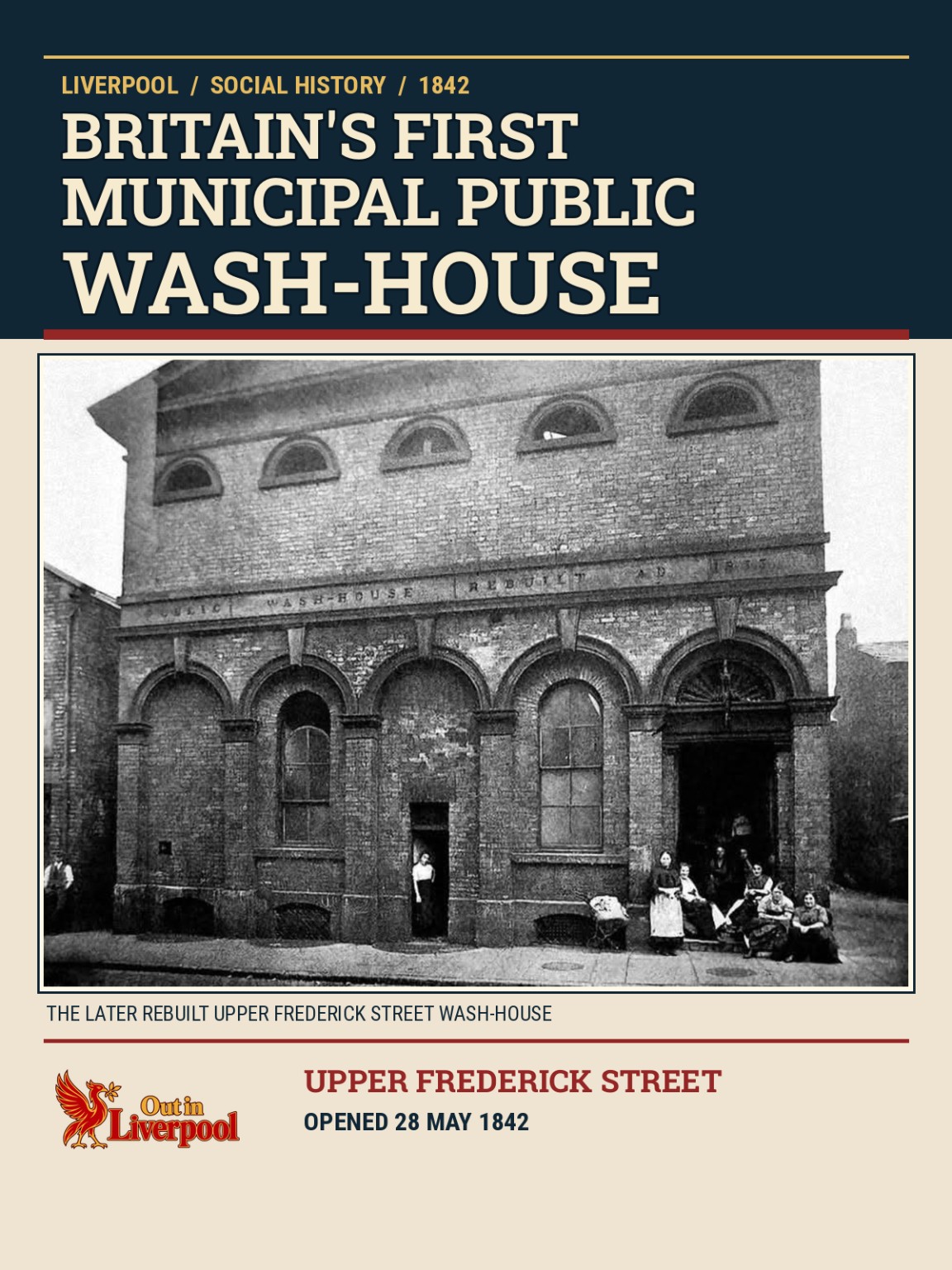
Discover how Liverpool opened Britain's first municipal public wash-house in 1842, the truth about Kitty Wilkinson and its lasting public-health legacy.
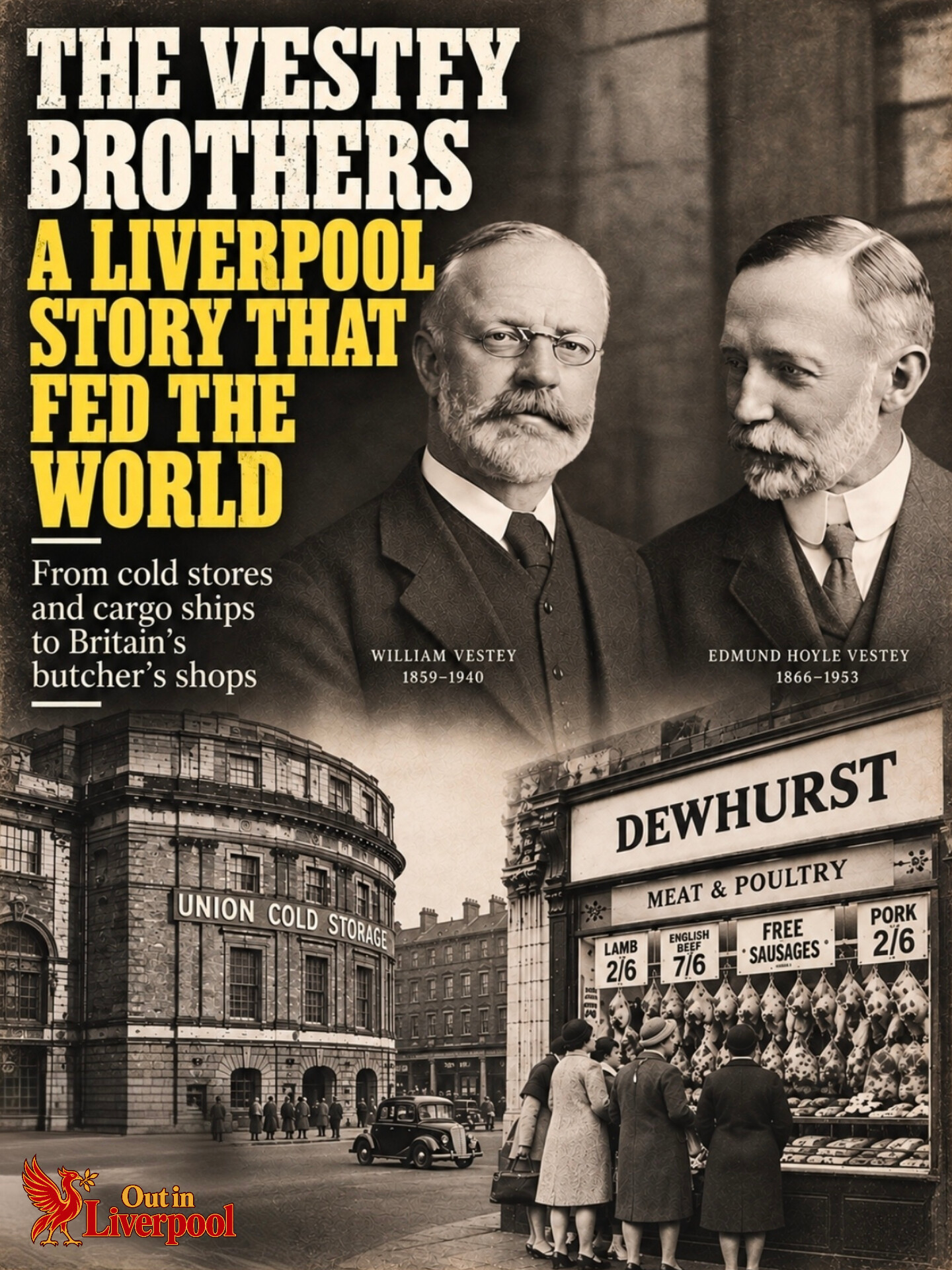
From a Liverpool provisions business and an 1890 cold store to Dewhurst, Blue Star Line and a global food empire - the remarkable, complicated story of William and Edmund Vestey.
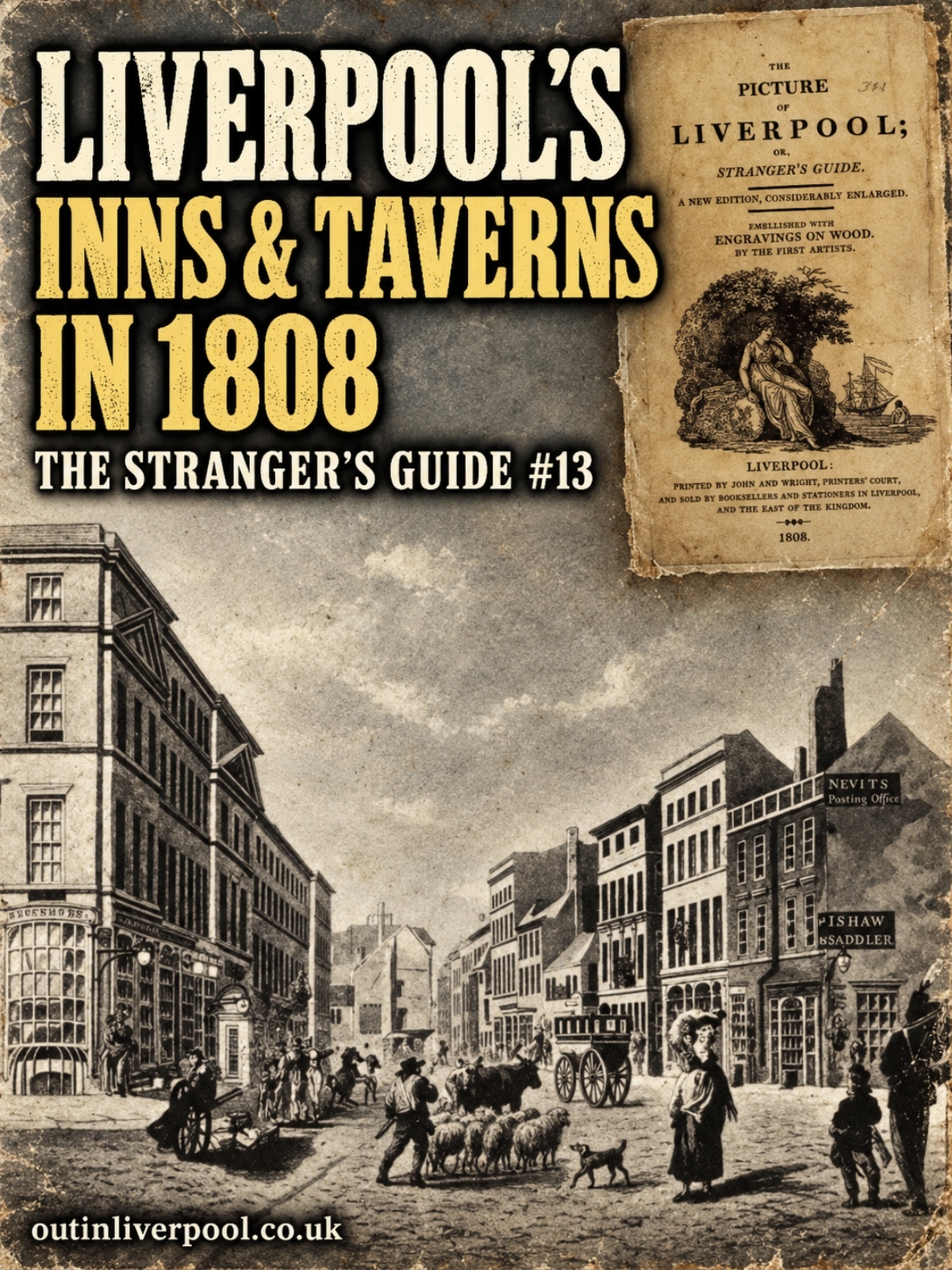
Before Liverpool had railway stations, its inns were hotels, dining rooms, meeting places and transport hubs. The 1808 Stranger’s Guide reveals where visitors stayed — and where the coaches left.
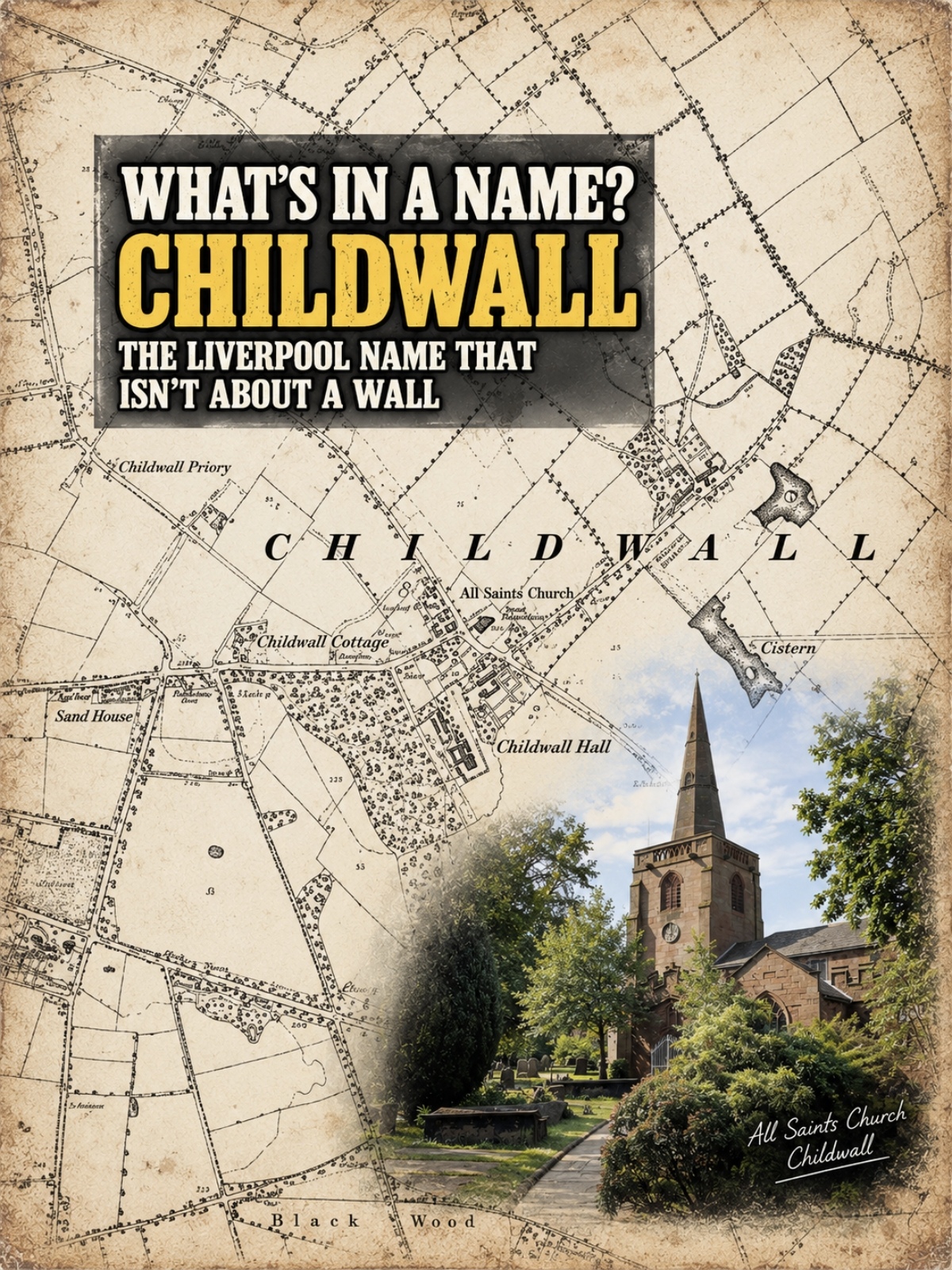
Childwall appears in Domesday as Cildeuuelle. The old spellings point not to a wall, but to an Old English well, spring or brook — with the first part of the name still debated.
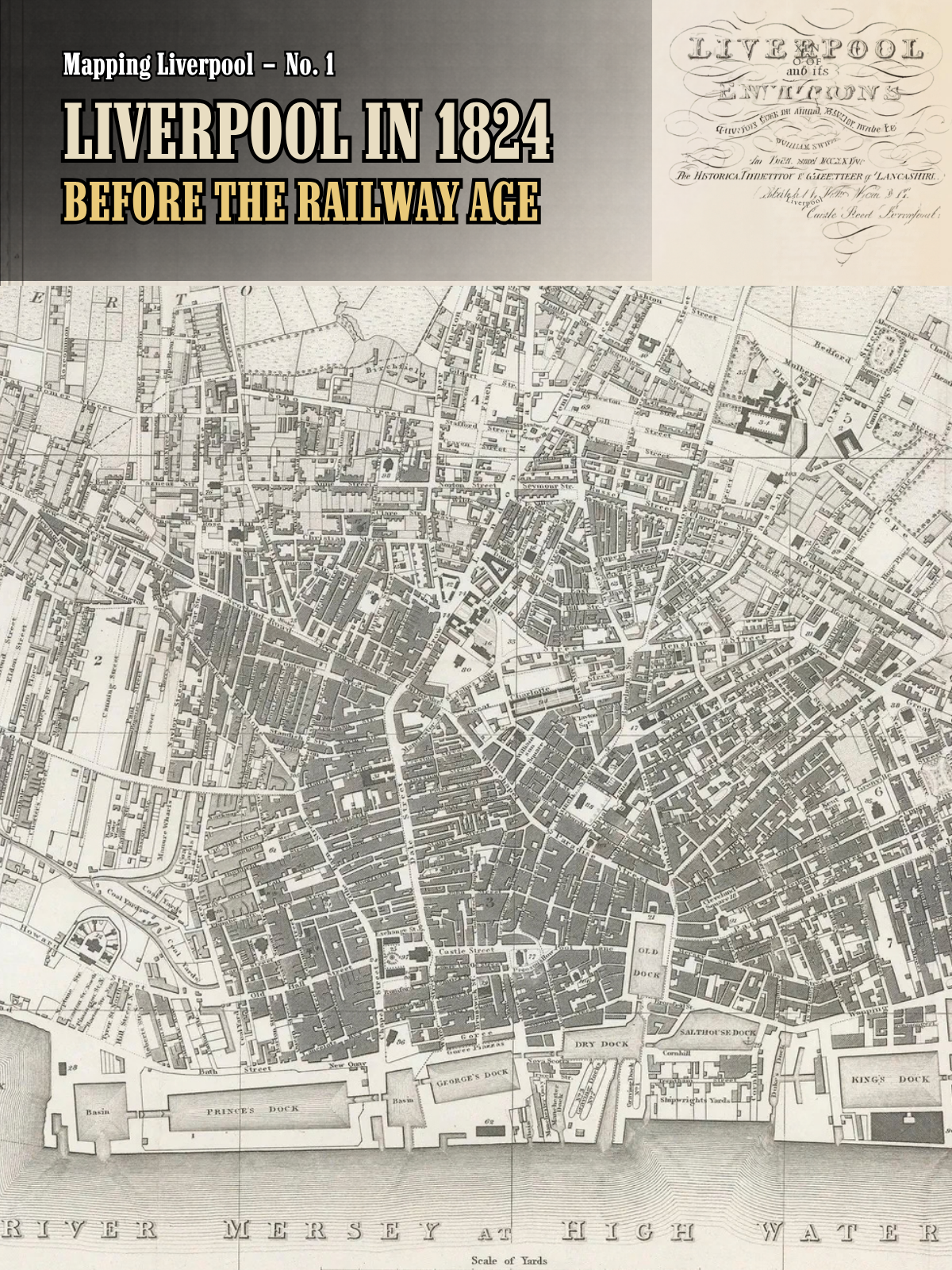
William Swire’s 1824 survey catches Liverpool at a hinge point: the Old Dock still open, Prince’s Dock newly built, Everton still separate, fields at the edge and the railway age six years away.
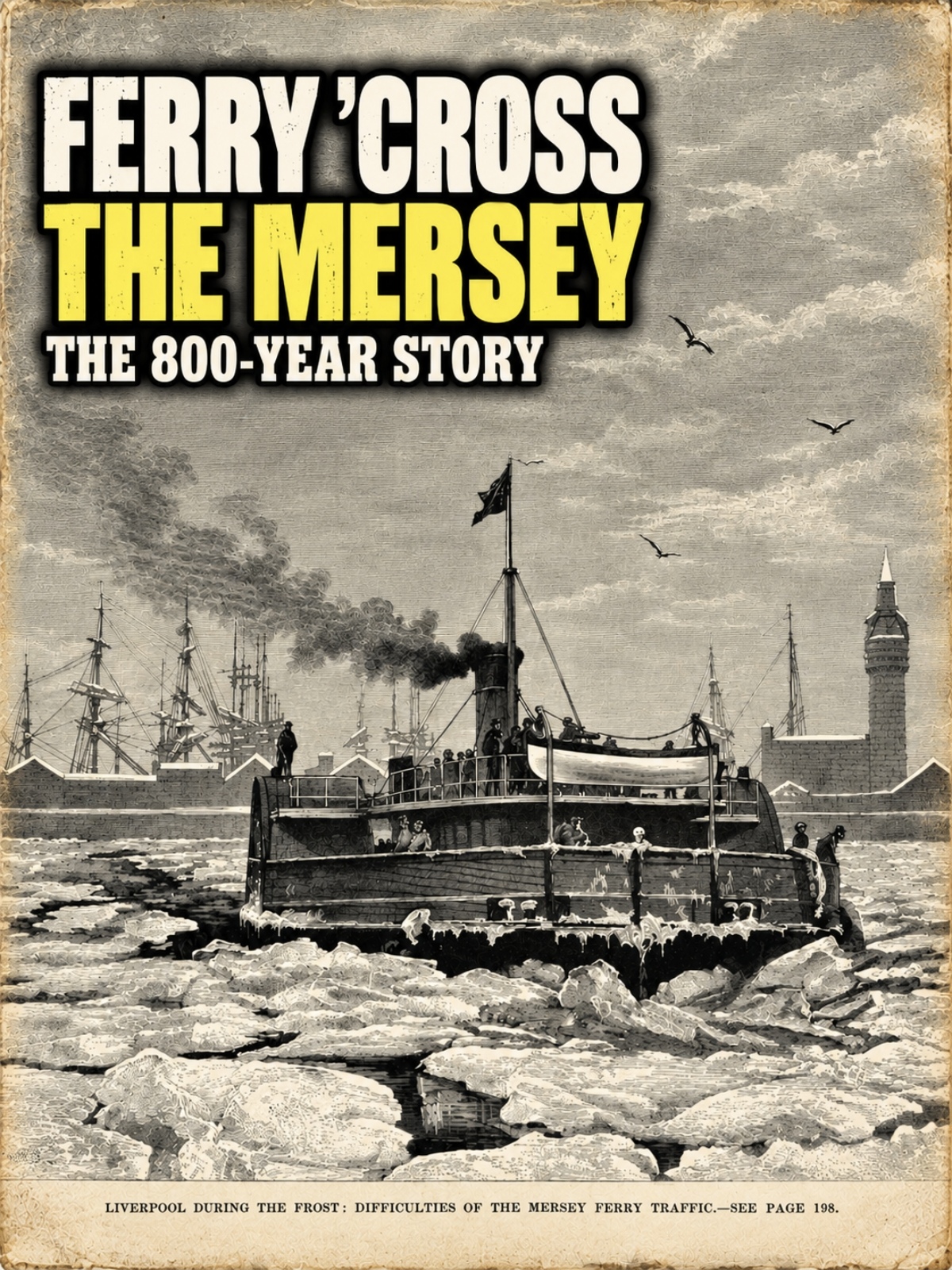
From Birkenhead Priory and medieval ferry rights to steam, Zeebrugge, Merseybeat and the new Royal Daffodil: more than eight centuries of crossing the Mersey.
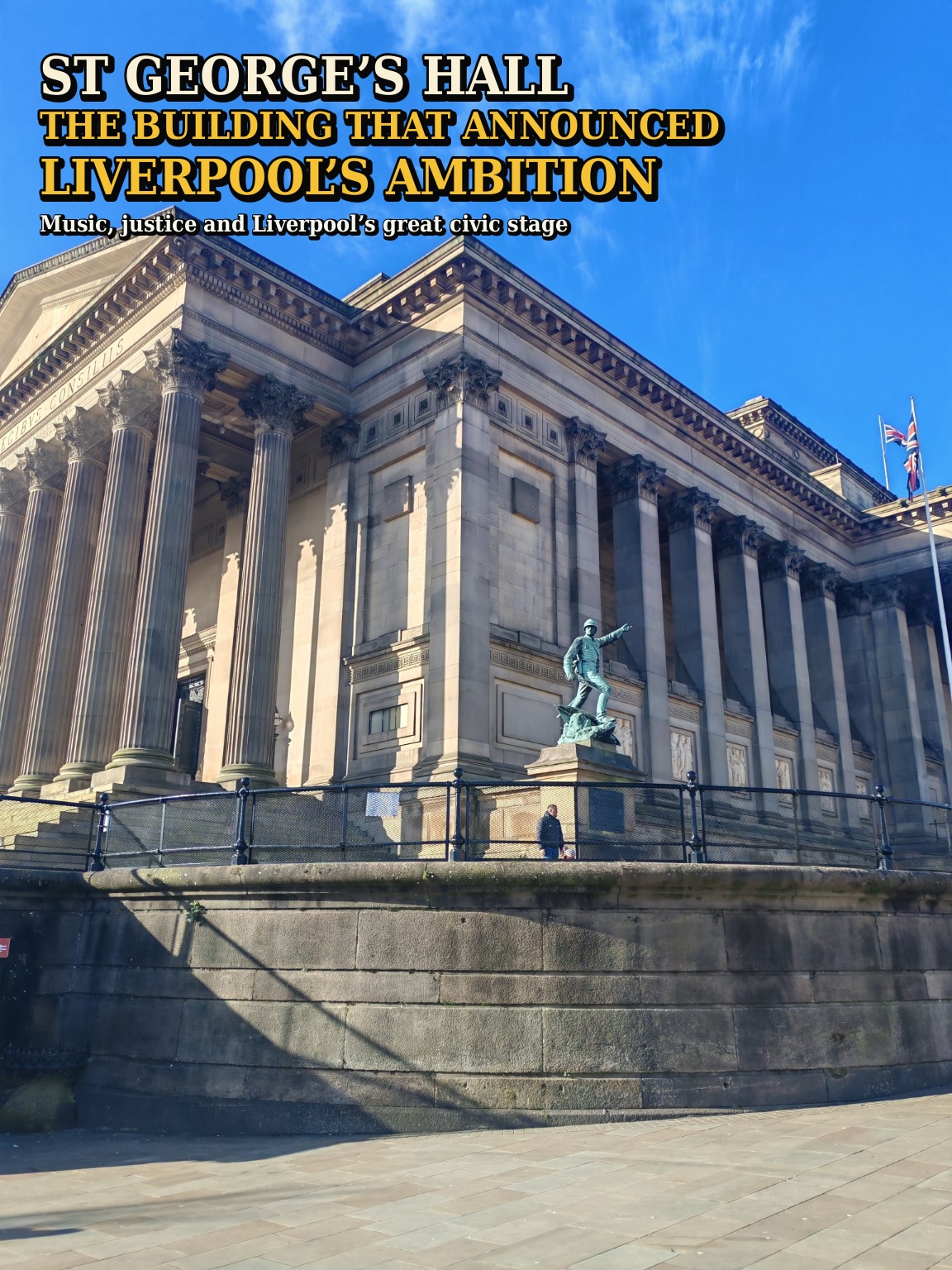
Why Liverpool built St George’s Hall — from the 1836 citizen-led concert hall campaign and Assize Courts to Corporation funding, prisoners, the Willis organ, Minton floor and Victorian civic ambition.